

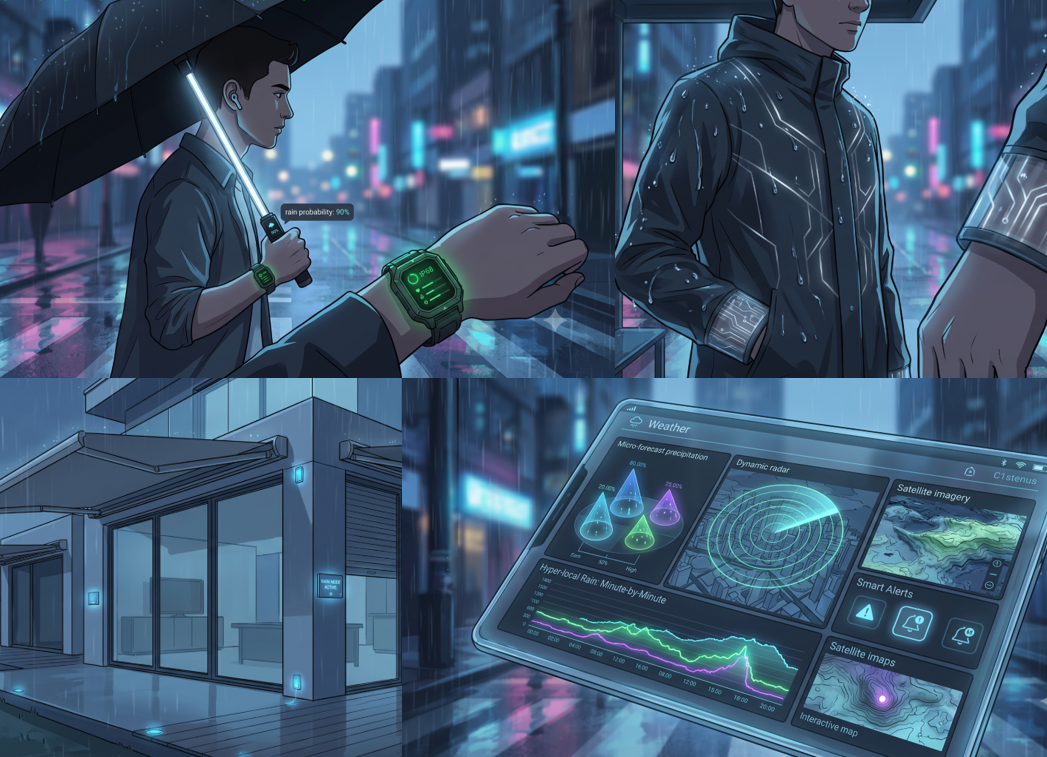
Well, we’re in the middle of the rainy season, and the weather for the past several days has been eye-opening. Floods, landslides, rivers overflowing. How do you keep dry and protect your home? Well, there are Bluetooth umbrellas that can sync with weather forecasts and automated awnings that move on their own. Discover how the latest smart rain tech is transforming the way you weather the wettest days of the year.
And rain protection is no longer just about umbrellas and boots. Technology now connects personal wearables, advanced textiles, and home automation to help you stay dry and connected, whether you’re commuting in heavy rain or managing a smart home.
Smart Umbrellas and IP-Rated Wearables
Everyday gear is getting smarter to handle sudden downpours.
- Smart umbrellas now come with Bluetooth and GPS. They sync with weather apps to deliver real-time rain alerts, often through handle vibrations or LEDs, so you’re less likely to get caught in a downpour. The GPS helps you find your umbrella if you leave it behind.
- Water-resistant wearables are now common for commuters. Wireless earbuds and smartwatches with IP68 ratings use water-repellent coatings and sealed chambers to keep working in heavy rain. You can track health metrics or take calls without worrying about water damage.
Next-Gen Rain Apparel & E-Textiles
Technical apparel is changing how fabrics repel water and add electronics.
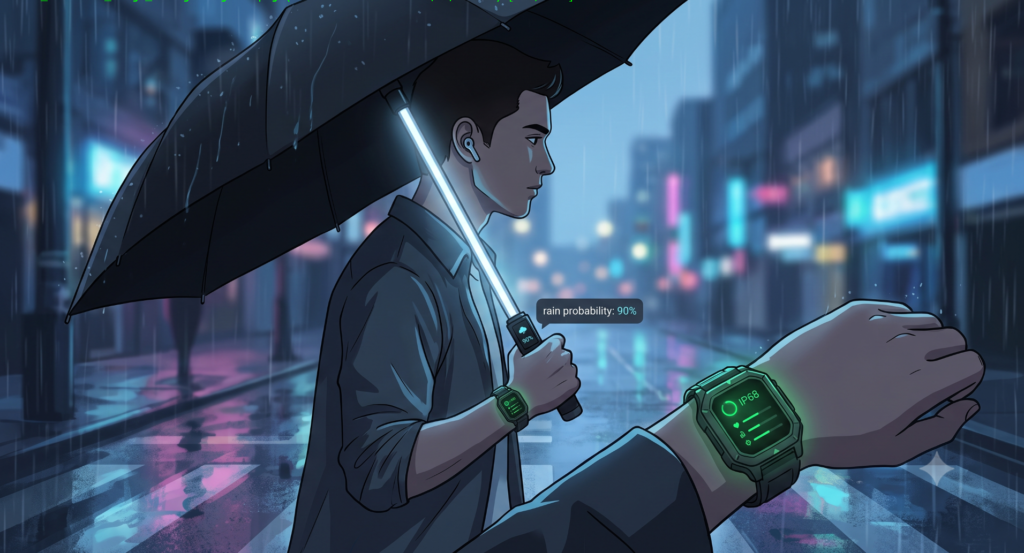
- Traditional rain jackets put the waterproof membrane on the inside, which means the outer fabric can soak through over time. Newer jackets, like Columbia’s OutDry Extreme, put the membrane on the outside. These new fabrics have Inverted Membrane Technology, letting Rain roll off, so the jacket stays lighter and you don’t need to re-waterproof it as often.
- Companies like Shieldex are adding metalized textiles to clothing. These Conductive “Smart” Fabrics now have silver-plated yarns woven into jackets. These smart wearables allow for built-in heating, biometric sensors, and LED turn signals for cyclists, without bulky wiring.
Automated Rain Protection for the Home
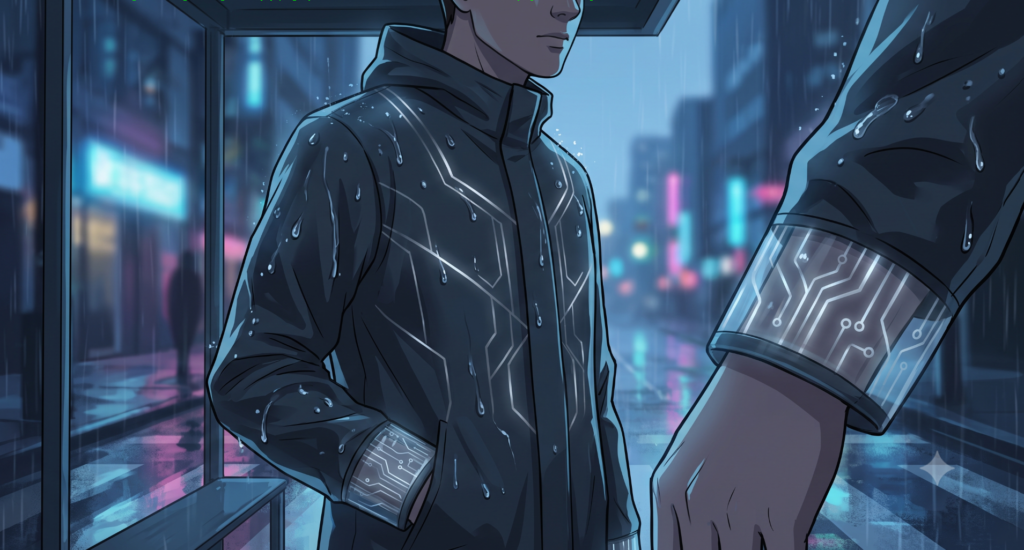
If you want to add weather protection to your smart home, IoT devices can help with everyday problems like sudden rain ruining laundry left outside.
- Automated clotheslines and awnings use rain sensors to detect precipitation in real time. When rain starts, motorized systems deploy shields or bring drying racks indoors. Once things dry out, the system resets. These setups can connect to smart home networks and weather APIs for predictive deployment.
Smart rain tech & weather Apps
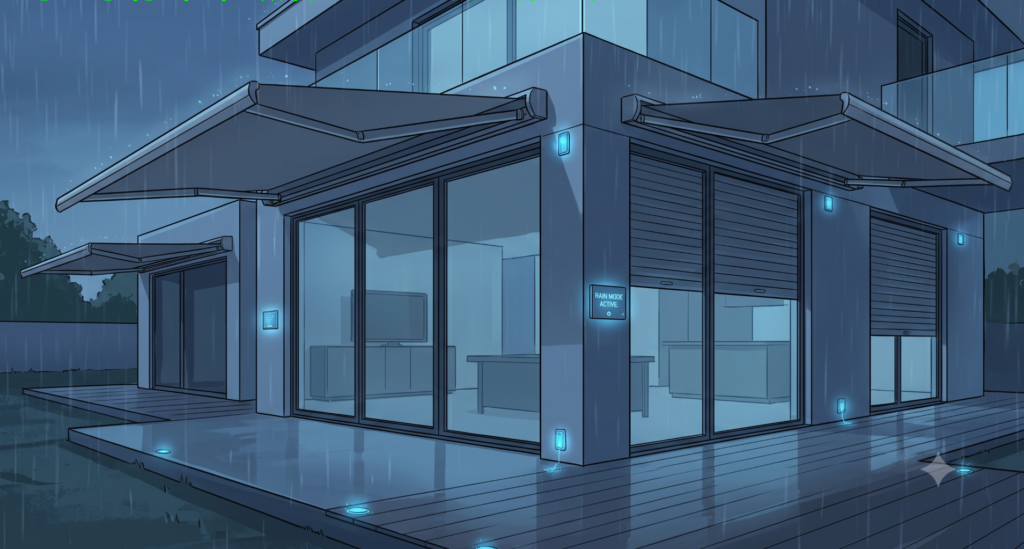
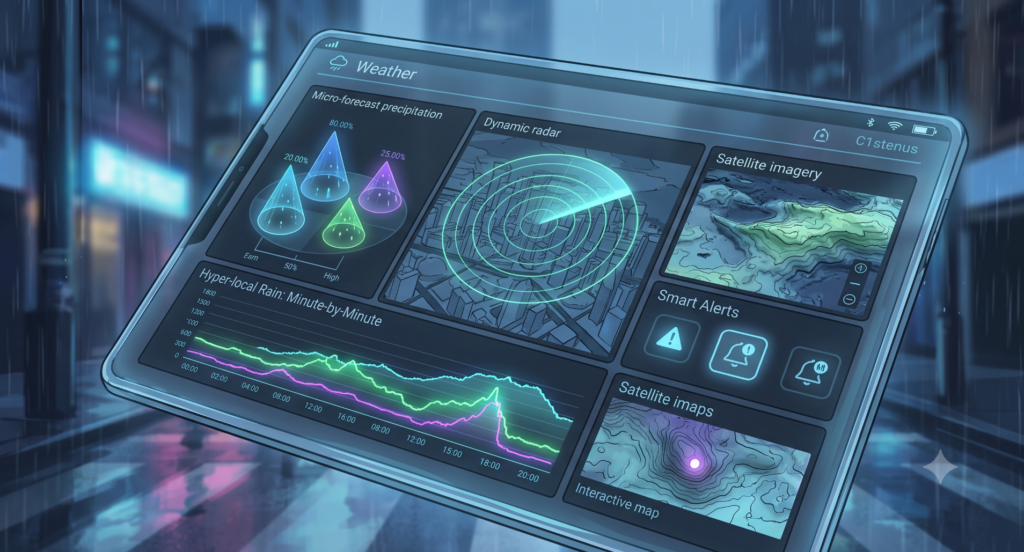
Modern weather and navigation apps are now key for dealing with severe weather and flooded commutes. Platforms like Waze and Google Maps use crowdsourced data to reroute drivers around reported floods and disaster zones. Advanced weather apps provide hyper-local nowcasting with Doppler radar and send specialized flood alerts. Those NDRRMC text alerts (that sound ominous and disconcerting) offer updates on inclement weather and its effects on areas near you. Linking weather APIs to your calendar or smart home can automate tasks like rescheduling meetings or deploying awnings. These systems help you stay dry and avoid traffic jams.
These smart rain tech tips can make the difference in this rainy season, climate change, or just inclement weather. Stay safe and dry, people!
For tech tips and updates, stick with TGXP3.com.