

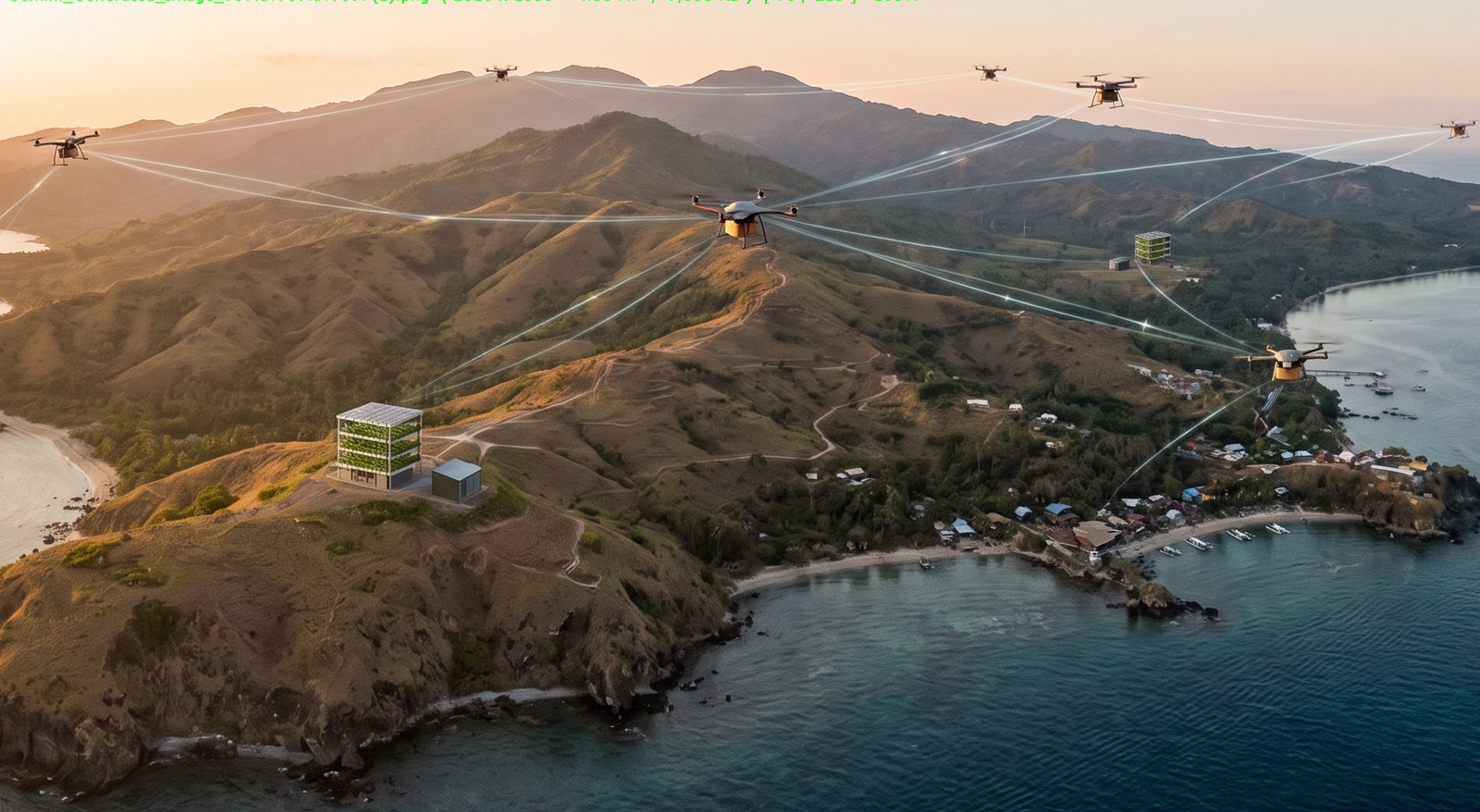
Extreme weather is a fact of life in the Philippines, with Super El Niño cycles, unpredictable typhoons, sudden downpours, landslides, and flash floods regularly threatening lives, livelihoods, and local economies. These severe weather events lead to billions in losses and even impact the food supply, proving that old-school farming and reactive disaster responses are no longer enough. To address these growing challenges, the Department of Science and Technology (DOST) is introducing advanced AI and remote sensing technologies that promise not just an upgrade but an entirely new way to safeguard crops and future-proof Philippine agriculture. And this isn’t just an upgrade. It’s a whole new way to protect our crops.
Rapid Response with the DATOS Help Desk
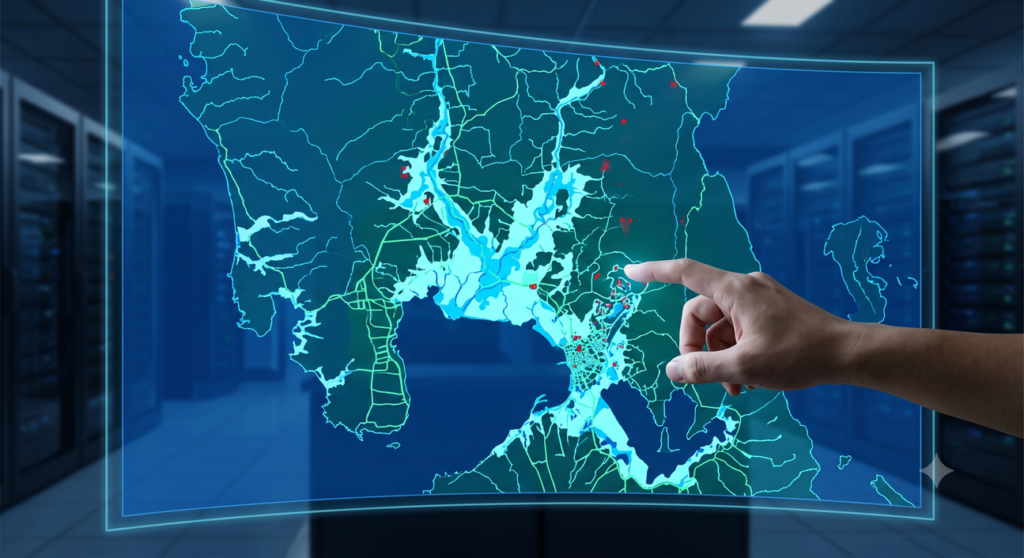
Leading the charge is DOST’s DATOS Help Desk. It uses AI and satellite images to do things that used to take hours, or even days.
DATOS can whip up detailed disaster risk maps in just 10 to 20 minutes. These maps show exactly where floods or rain-triggered landslides could hit. And they do it with pinpoint accuracy.
That kind of speed is a game-changer for local officials and emergency teams. Instead of waiting for data, decision-makers can act fast. They can move from just reacting to disasters to actually getting ahead of them. They can immediately evacuate people and move resources before things get worse.
That means more lives saved and less damage to our farms, even before the worst of the storm hits.
The ASIMOV Program: Precision Farming
But mapping disasters is just one part of the story. The ASIMOV Program, especially the ASIMOV-HAWKS (Autonomous Societally Inspired Mission Oriented Vehicles – Harmonized Aerial Watch and Knowledge-Based Survey) project, is bringing AI directly into the field. Isaac Asimov was a famous science fiction author, and many of his sci-fi ideas have been transformed into real-world solutions and devices. Pretty cool for the DOST to use the name “Asimov” for this project. One of them might be an Asimov fan (which we find very cool).
The ASIMOV-HAWKS are drones with smart cameras and AI to scan huge areas of farmland, spotting things most people would miss. These drones can detect crop diseases, spot nutrient problems, and notice when plants are stressed—long before farmers see it themselves. That means farmers can act early and only treat the spots that need help. No more wasting money or chemicals on the whole field. It’s cheaper, better for the environment, and helps boost harvests.
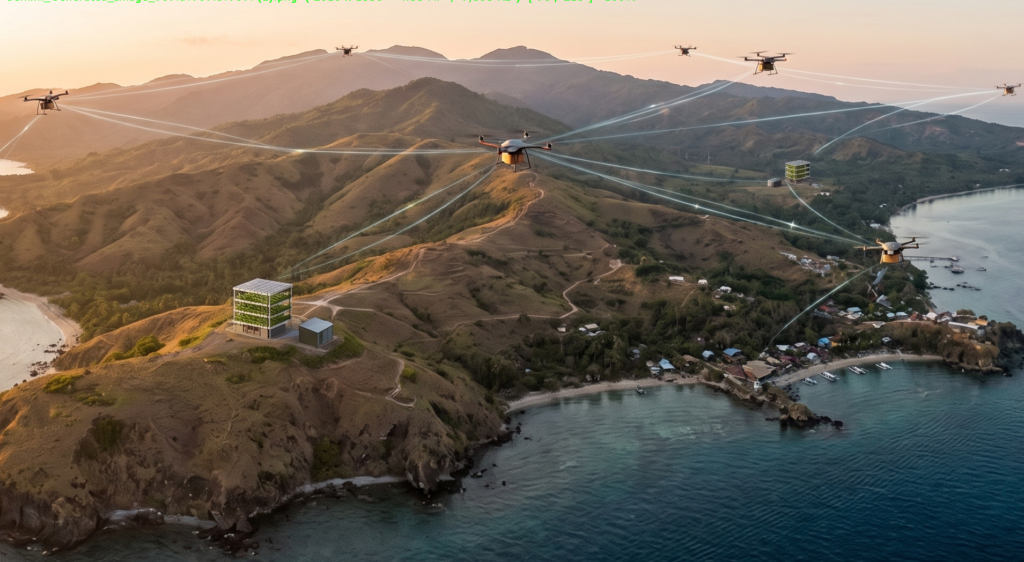
DOST officials have said that these localized tech innovations serve as a powerful technological backbone to the ongoing agricultural mitigation efforts managed by state authorities.
Synergy with National Mitigation Efforts
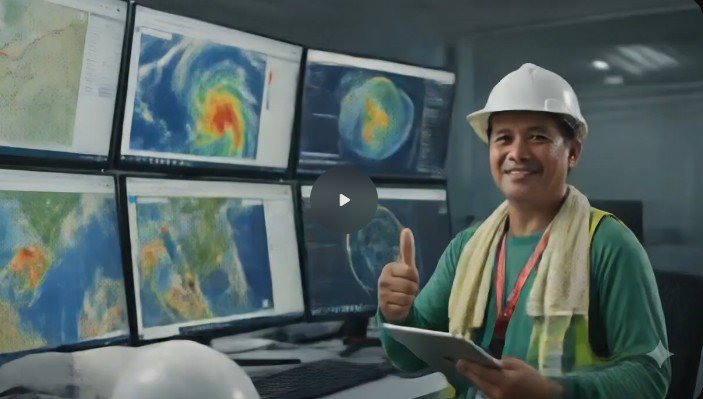
All this new tech isn’t just for show. It’s giving real, on-the-ground support to big agencies like PAGASA and the National Irrigation Administration. We featured how AI could help NIA mitigate the effects of Super El Niño.
If PAGASA says a super El Niño is coming, NIA can use real-time drone and AI data to send water where it’s needed most. That means less guesswork and more help for the farms that need it.
The Central Visayas Drone Roadmap
DOST Region 7 is also rolling out the Central Visayas Drone Roadmap. It’s not just about taking pictures from the sky. The plan is to build a comprehensive system for rapid disaster response, delivering farm supplies in emergencies, and keeping a constant eye on crops through automated drone scans.
With all these new tools, Philippine farming is moving from just surviving to actually thriving. Thanks to AI, drones, and smart mapping, DOST is helping local farms get ready for whatever the climate throws at them, and maybe even come out ahead.