
Here is the latest news on how the Philippine government’s policy shifts are making legal and financial transactions easier and keeping our data safe from new tech threats.
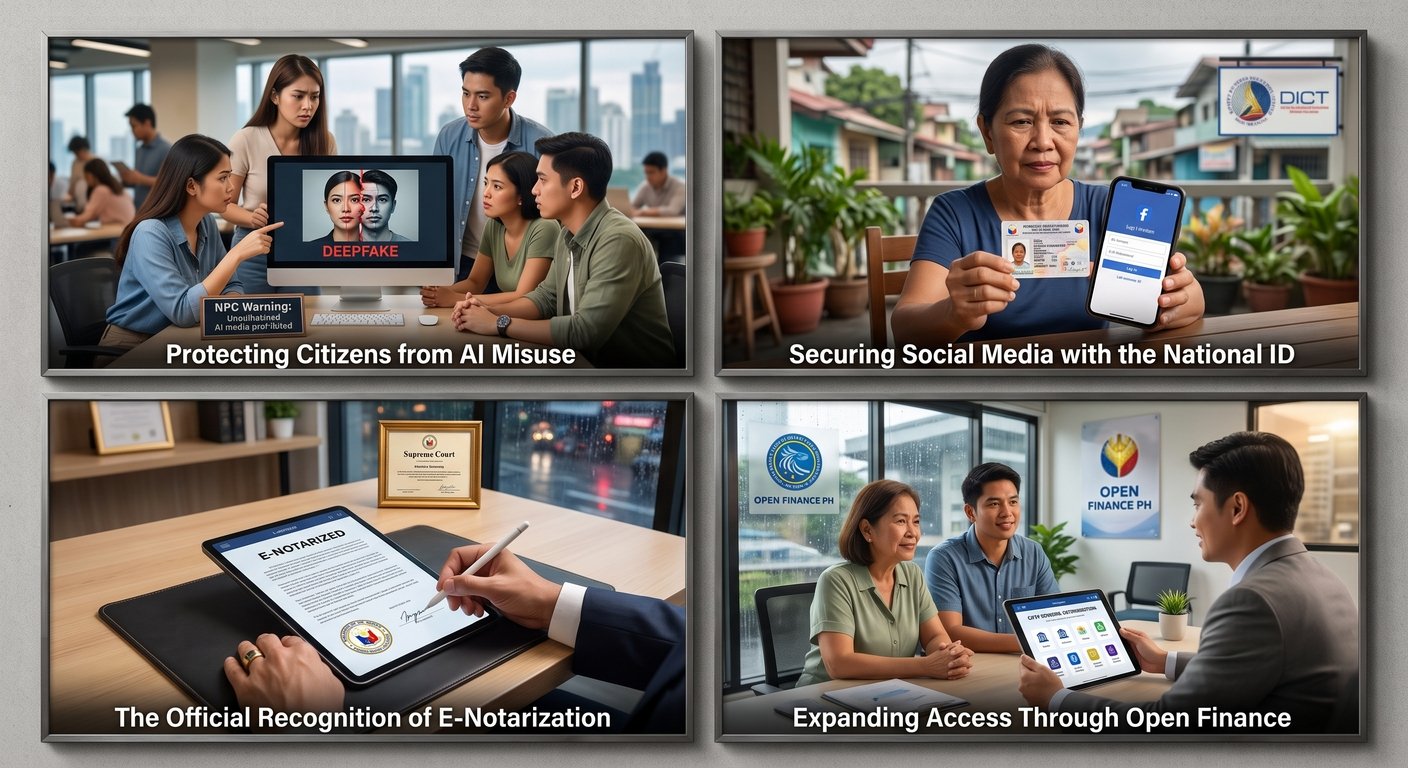
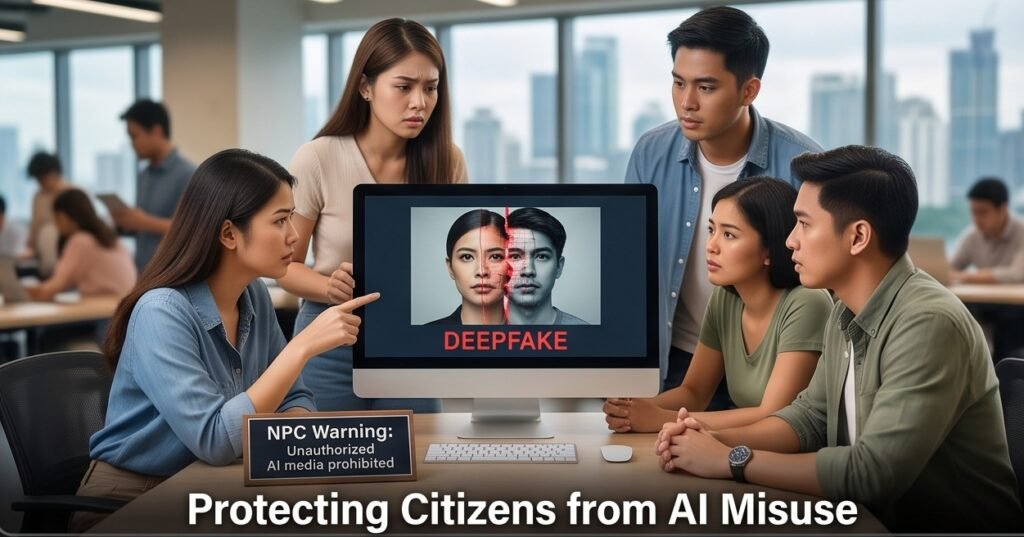
Protecting Citizens from AI Misuse
The National Privacy Commission (NPC) is stepping up. They’ve just put out a strong warning: don’t make or share AI-generated media of real people without their permission. Deepfakes and altered images are now strictly off-limits if you don’t have consent. The NPC says this is a serious privacy violation under the Data Privacy Act. They’re closely monitoring digital platforms and want people to report any unauthorized AI content. If you break the rules, expect tough penalties.
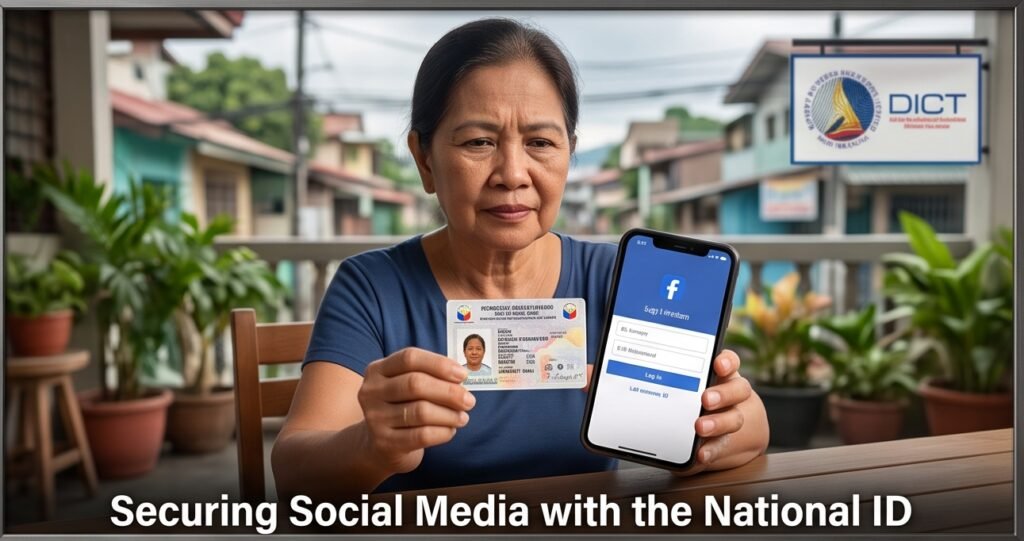
Securing Social Media with the National ID
The government is turning up the heat on tech giants to fight cybercrime, online scams, and fake news.
Policymakers now want Meta to get serious about identity checks. They’re pushing for everyone in the Philippines to link their PhilSys National ID to their social media accounts. This idea first became official back in January 2026.
The Department of Information and Communications Technology (DICT) is backing this move, hoping it will help shut down troll farms and make social media safer for everyone. The DICT says it’s all about accountability, but not everyone agrees. People are still debating whether this puts our privacy and data at risk.
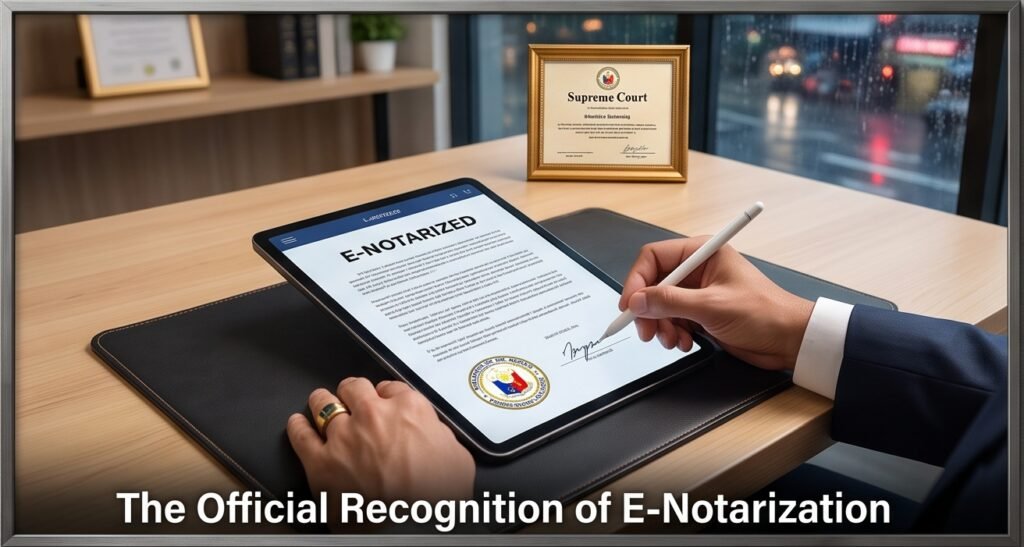
The Official Recognition of E-Notarization
Big news for anyone dealing with legal documents: the Supreme Court now says e-notarization is legit. Starting October 19, 2026, you’ll be able to use digital signatures and electronic stamps, and they’ll count just like the old ink-and-paper way. The Supreme Court has set strict rules for security and identity checks, so e-notaries have to follow tough standards. This should speed up business deals, real estate, and contracts, and bring us closer to how the rest of the world does digital business.
Expanding Access Through Open Finance
There’s also a new Open Finance bill in Congress. It builds on what the Bangko Sentral ng Pilipinas (BSP) started and aims to make it easier for people to share their financial data safely. If it passes, you’ll be able to move your data between banks and fintech apps, which could mean better loan rates, more personalized banking, and improved credit scores. This is especially good news for people who don’t have access to traditional banking.

These policy shifts by the NPC, DICT, Supreme Court, and lawmakers show that the Philippines is getting serious about tech. By setting clear rules for AI, digital finance, and legal processes, the government is building a safer and more efficient digital future for everyone.
For more news on government IT initiatives, stay tuned to TGXP3.com.