


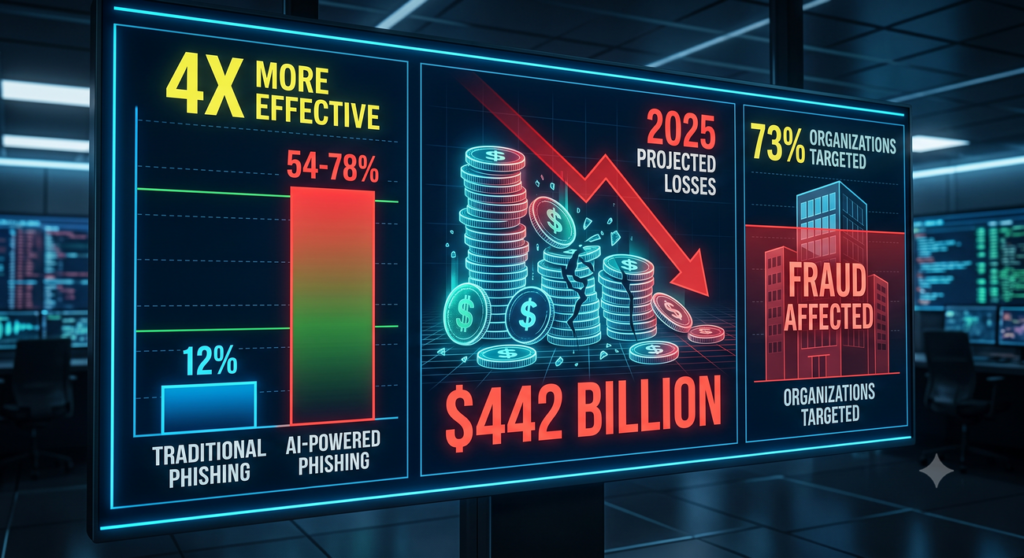
AI is changing how we use the Internet. Instead of browsing, we ask AI to do things for us, like writing stories, creating presentations, coding, and more. We use the internet to talk to AI chatbots and assistants. Close to 2 billion people use AI, and 120 million people engage with generative AI tools daily. But just like any new technology, it’ll be used to defraud people and for other crimes. A recent global survey from GASA (Global Anti-Scam Alliance) found that 57% of adults had been scammed, with losses reaching $442 billion in 2025. More and more, AI is behind these scams. It’s not just individuals at risk. The World Economic Forum’s Global Cybersecurity Outlook 2026 reports that 73% of organizations faced cyber-enabled fraud last year. With all of this AI-powered fraud happening, we need to mount a next-gen AI fraud defense. But before we dive into it, there are more sobering facts.
Cybercriminals are seeing big results with AI. Phishing emails made by AI get people to click 54% to 78% of the time, compared to just 12% for old-school phishing. That makes AI-powered attacks at least four times more effective.
Because of AI, trust, identity, and even truth are all being redefined. Five years ago, what once seemed unusual is now everyday. But the caveat is that what was once clear is now confusing. Instead of trusting our instincts online, we’ll need to double-check, stay cautious, and learn new digital skills that most people haven’t yet picked up.
Even though we’re more than halfway through the year, people need to stay abreast of the potential dangers posed by AI-powered cyber fraud. And yes, it’s all up to us to protect ourselves because there are some really bad people, threat actors, who will take advantage of AI tech.
People will need to prove they’re real, truth will need to be checked, and emotions and identities can be faked. It’s not just contained in apps and emails. Even your web browser is now a battleground. And this isn’t just theory. It’s already happening, and by 2026, it will be part of everyday life as AI speeds things up. Next-Gen AI fraud defense is essential.
These are the five predictions that will shape the digital world in 2026.
Human Verification Becomes the New Norm
Deepfakes are now so realistic that it’s hard to tell what’s real. AI tools can create fake people who seem completely genuine, even to the point of running on their own. Because of this, we’ll all need to get used to double-checking who we’re talking to online or over the phone, rather than just trusting what we see or hear. To verify someone’s identity, avoid replying in the same thread or calling; instead, contact them using a separate, known method, such as calling a number you already have saved. You can also ask questions only the real person would know, or confirm details that wouldn’t be publicly available. These simple steps can stop scammers who rely on fake identities.
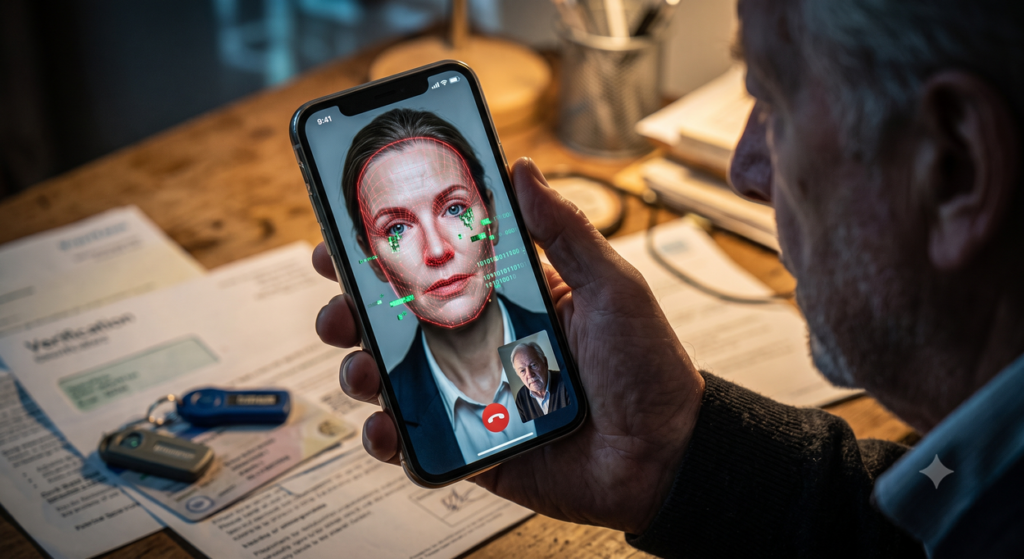
Political manipulation through fabricated videos surged ahead of elections. We saw a glimpse of that in the 2016 and 2022 elections. It’ll happen again in 2028.
At the same time, personal extortion attempts and corporate fraud using deepfake audio and video became disturbingly common. Attackers successfully impersonated CEOs to authorize wire transfers, highlighting the growing threat.
Fake online identities will be harder than ever to spot. Some will even copy things like heartbeats. We’ll see whole networks of these AI-powered personas. In this world, checking who’s really behind a message will be key to stopping imposters. I’ve personally seen the late Robinson’s CEO and president, John Gokongwei Jr., talking about crypto. And it looked real, and the voice sounded real. That’s how frightening AI-powered fraud scams have become.
More trust issues with AI
As more and more machines create online content, other machines then copy and reuse it. Without strong ways to check what’s real—like digital nutrition labels for information—the internet could fill up with fake facts and empty data pretending to be true.
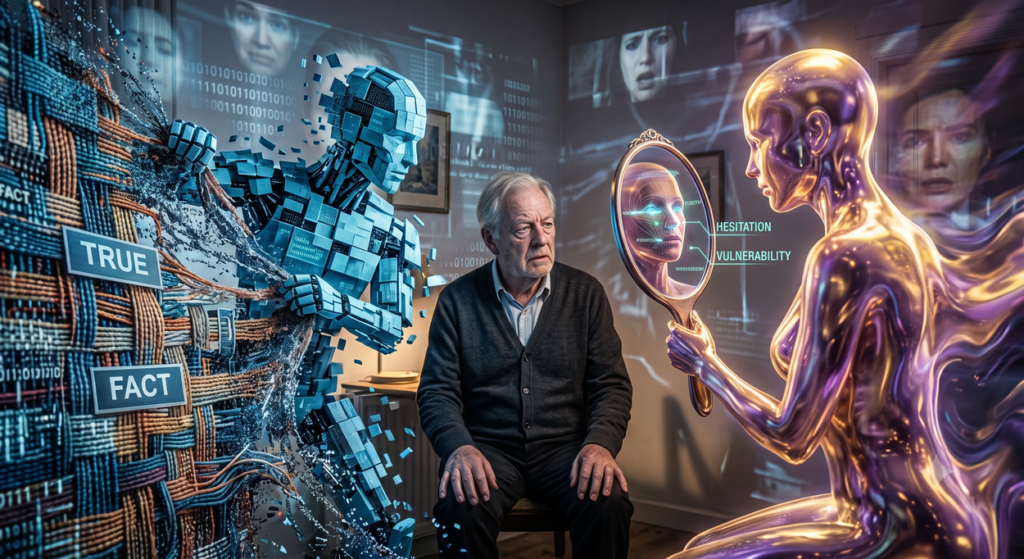
As AI keeps copying and remixing content, it will get harder to know what’s accurate. Tech companies will need to add digital nutrition labels so people can check what’s real.
Generic phishing scams are fading out. Now, scammers use AI to copy your words, tone, and even your personal history in real time. These scams feel so real that many people don’t realize they’re being tricked.
Scams Take On New Identities
Social engineering is taking on a new form. You might know what an “empath” is, but have you heard of a “dark empath”? These are people—and now scams—so good at reading emotions that they use that skill to take advantage of others. With new AI tools, scams can now read your feelings in real time and change their approach in a split second.
Scammers will use AI to read your tone and hesitation, then instantly change their tactics to play on your emotions. These are called “empathic scams,” and they’re getting harder to spot.
AI-made content is now so realistic that people and content filters often can’t tell the difference. Even more, AI is now being used for personal support—some parents say their kids turn to AI for emotional help or therapy. This brings up big questions about privacy and how much we rely on these tools.
Criminals are now using fake identities, including forged IDs and voice samples, to get past security. This means companies will need to move from one-time ID checks to ongoing, real-time checks based on behavior. Hackers are also using large datasets to build detailed profiles of their targets. They’re even breaking into old, forgotten accounts and using those logins to access current ones.
Browsers: Breeding Grounds for Deception
Web browsers used to be just a way to access the internet, but that’s changed. Now, they’re a top target for criminals, who use AI to blend in and turn your everyday tabs into easy entry points. In 2026, watch out for sites that look real but hide malware behind convincing AI-made content.
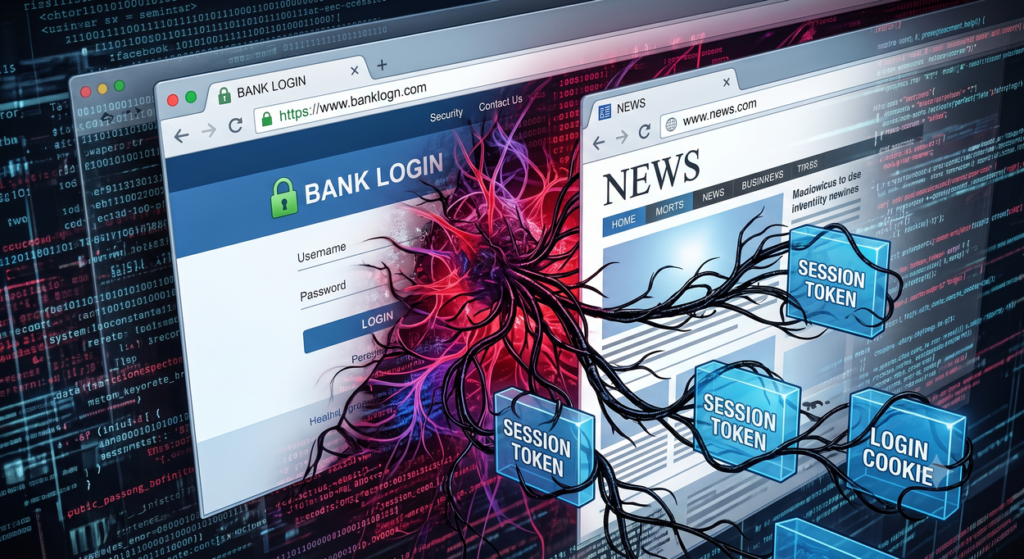
Attackers will go after web browsers with fake ads, copied online stores, and tricks to steal your session tokens—all inside the tabs you trust most.
In 2026, we’ll all need to get better at spotting online risks and using safer habits. Tech companies will have to focus on constant verification, even if it’s less convenient.
Digital fraud is now mixed with personal attacks. AI-made investment tips and malware can quietly steal your banking session tokens, skipping passwords altogether. Banks are now moving to real-time checks based on your behavior and biometrics.
So how do we protect ourselves? How do we mount our own next-gen AI fraud defense?
Always Verify Identities: When receiving unexpected messages, calls, or emails—especially those requesting sensitive information or money—verify the sender’s identity through a separate, trusted channel. Don’t rely on caller ID, email addresses, or profile pictures alone.
Be Wary of Deepfakes: If a video or audio message seems unusual or too good to be true, question its authenticity. Look for small inconsistencies in speech, background, or mannerisms, and confirm with the source directly if possible. You can spot deepfakes if there are unnatural movements or tics that shouldn’t be there, or if the topic is too wild to be discussed online. Due diligence is key. Check legitimate sources to see if the information being said is true.
Use Strong, Unique Passwords: Avoid reusing passwords. Use a password manager to generate and store strong, unique passwords for every account. If you are just starting out, beginner-friendly options include NordPass and 1Password, which are both trusted and easy to use. These apps securely store your passwords so you don’t have to remember them all. Google and other browsers use special characters, capitalization, and numbers, so we suggest you do the same. You can also try Bitwarden if you want a free tier.
Enable Multi-Factor Authentication (MFA): Turn it on wherever possible to add a layer of security—even if someone has your password, they’ll need a second factor to access your account. GCash just enabled its in-app MFA. Turn it on. Use Google and Microsoft authenticators if you need to (I’ve been using these since 2020). This one of the best ways to enhance your next-gen AI fraud defense.
Update Devices and Software Regularly: Keep your operating systems, browsers, and applications up to date to patch vulnerabilities that cybercriminals can exploit. Most smartphone and computer updates don’t take long, so allow them to happen. And check and verify that software updates are from official sources.
Check for “Digital Nutrition” Labels: As authenticity frameworks become more common, look for digital “nutrition labels” or verification markers on content, especially when consuming news or financial information. These labels or markers are typically found next to headlines, beneath article titles, in article footers, or as small badges on digital images or videos. Paying attention to these spots can help you quickly spot whether the content you’re viewing has been verified or flagged as authentic.
Monitor Online Accounts: Regularly review your account activity, including old or rarely used accounts. Delete or secure any you no longer need. It’s essential to keep tabs on your email, browser and account access activities. If you see anything sus on device access, sign out of these devices and use a new password.
Be Skeptical of Emotional Appeals: Scammers use emotion to bypass your critical thinking. Take a moment before responding to messages that create a sense of urgency, fear, or excitement. If you get suspicious calls or messages from strangers, “bank agents,” or people you know, always verify. Make that phone call to them.
Educate Yourself and Others: Stay informed about the latest scams and AI-driven tactics. Share this knowledge with friends and family to help protect your wider community.
AI is transforming the digital landscape, creating new opportunities and new threats. As the technology evolves, so must our next-gen AI fraud defense. By staying vigilant, adopting smart habits, and demanding better security from tech providers, we can navigate the risks of 2026 and beyond with greater confidence. In this era, digital literacy and skepticism are not just helpful—they’re essential.