

Microsoft is getting ready for its next step toward integrating AI into everything.
Rather than sticking with a classic Windows-style desktop, Microsoft created Project Solara on top of the Microsoft Device Ecosystem Platform, which is based on the Android Open Source Project and built for enterprise use.
With it, you don’t need to click through apps or go through menus. Instead, Solara puts AI agents front and center as your main way to interact.
Core Mechanics & Features
Solara brings in Just-in-Time UI, which lets background agents build custom interfaces on the spot for each device and input style. And here’s the thing that’ll put a smile on developers’ faces: they don’t have to design for every screen or control, since the system adapts automatically to touch, voice, or a mix of both.
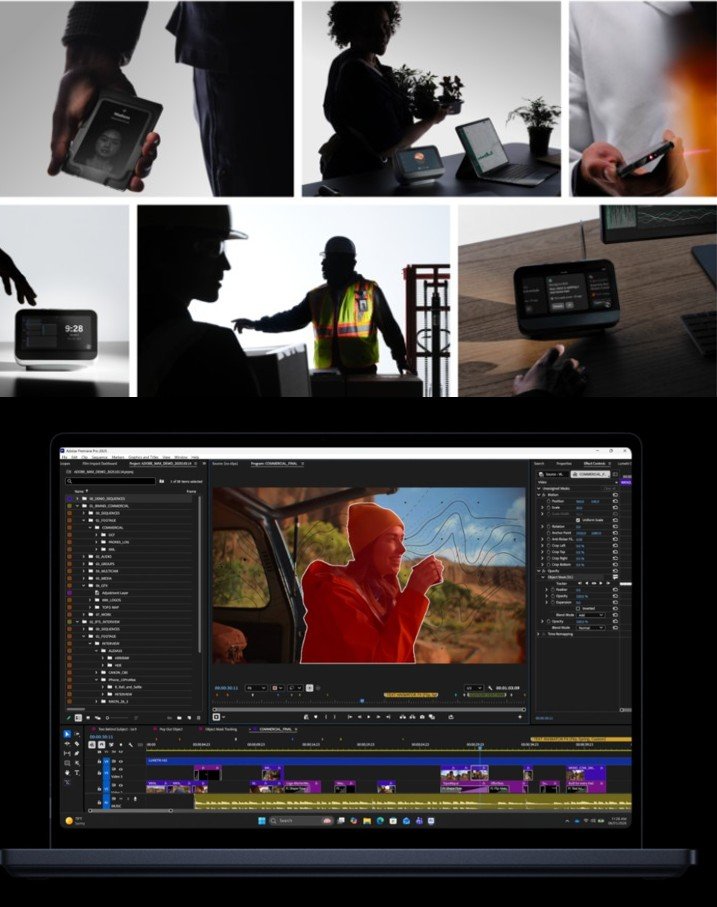
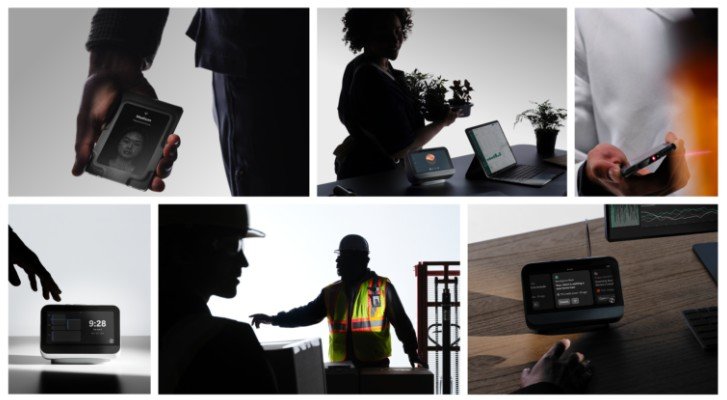
Solara also features a Multi-Agent Registry that manages multiple AI agents and tasks. When you give it a complex prompt, it can split the job among specialized sub-agents, such as Scout. You don’t have to worry about your data, as it’ll run in secure, sandboxed environments to keep it safe. Microsoft showed off two concept devices: the Wearable Badge, a lanyard device for productivity on the move, and the Desk Companion, a smart display that helps manage background agents and Copilot tasks without getting in the way of your main PC.
Microsoft Surface Laptop Ultra
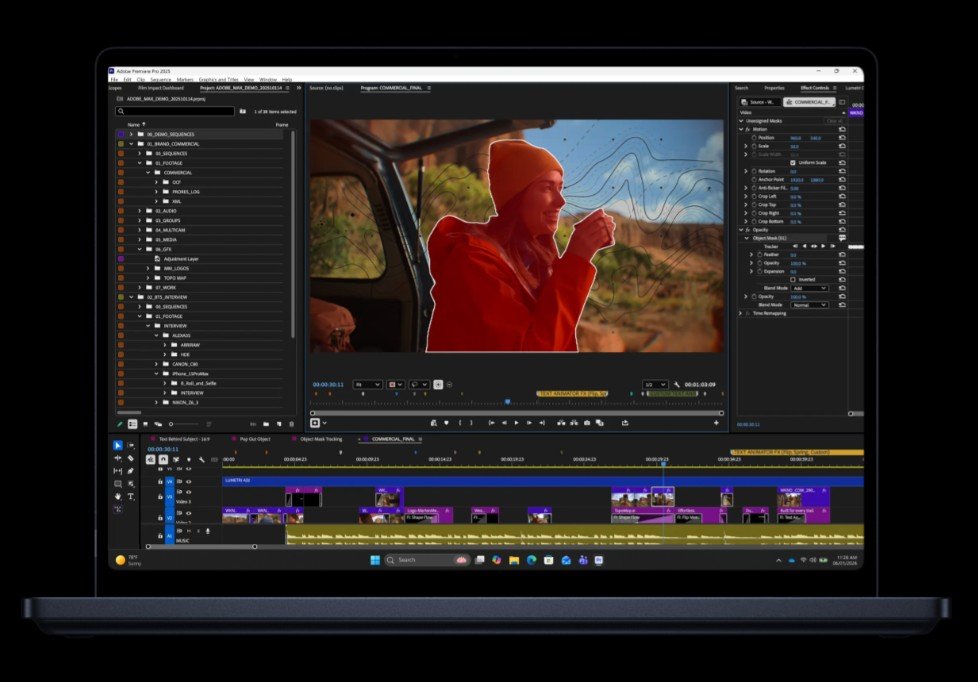
This took center stage at Computex 2026 as well. It’s a powerhouse machine packing a Blackwell RTX GPU, up to 128GB of unified memory, and a gorgeous 15-inch mini-LED PixelSense Ultra display designed for heavy developer or 3D workflows.
While Solara is all about low-power, always-on computing, the Surface Laptop Ultra goes in the other direction. Microsoft calls it a portable AI supercomputer designed for developers, 3D creators, and data scientists who need to run large models locally and offline.
The Technical Specs
The Surface Laptop Ultra packs a 20-core Arm CPU on Blackwell architecture and a mobile Blackwell GPU with 6,144 CUDA cores. That’s similar to a low-power RTX 5070. With up to 128GB of LPDDR5X unified memory, both the CPU and GPU can access big datasets, powering up to 1 petaflop of local AI compute. That’s enough to run huge 120-billion-parameter AI models without needing the cloud. Pretty good, right?
Some models will have the 15-inch mini-LED PixelSense Ultra touchscreen, which offers crisp visuals at 262 ppi and up to 2,000 nits of HDR brightness, and draws up to 80W of power. It’s packed with a slim design, and Microsoft says you’ll get all-day battery life, making it a strong pick for heavy developer or AI work. The Surface Laptop Ultra is set to launch for both consumers and businesses later this year.
We’re definitely looking forward to this later in the year.
Stay tuned to TGXP³ for more tech news and updates.