

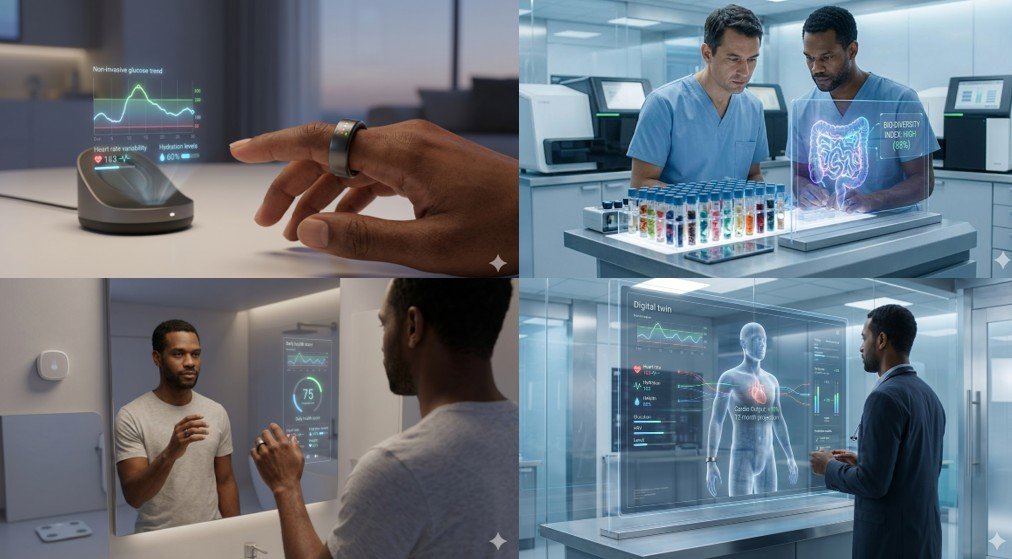
Personal health care in 2026 is all about staying ahead of problems, not just fixing them after the fact. Instead of the old-school annual physical, most of us now rely on constant, data-driven monitoring, whether that’s on your wrist, in your pocket, or built right into your home.
Here’s a look at the biggest trends changing how we manage our health right now:
1. The “Invisible” Clinical Grade Wearable
The gap between everyday gadgets and true medical devices has pretty much disappeared.
- Smart Rings & Glasses: Rings from brands like Oura (which we have featured in TGXP3.com) and Ultrahuman have become the go-to for tracking sleep and recovery, thanks to their comfortable design. Smart glasses, like Meta’s, are increasingly using AI to send real-time health alerts or help people with vision challenges.
- Clinical-Grade Sensors: Tools you used to only find in hospitals, such as ECGs, continuous glucose monitors, and blood pressure tracking, now come built into top-tier wearables.
- Neuro-Wearables: At CES 2026, we saw a wave of EEG headsets for everyday use, such as Neurable and Elemind, that track your brainwaves to boost focus, manage stress, and spot early signs of cognitive issues. You’ll probably see more of these devices this year and in the coming ones.
2. AI-Assisted Everything
AI isn’t just a buzzword anymore. It’s become a real co-pilot for both patients and doctors.
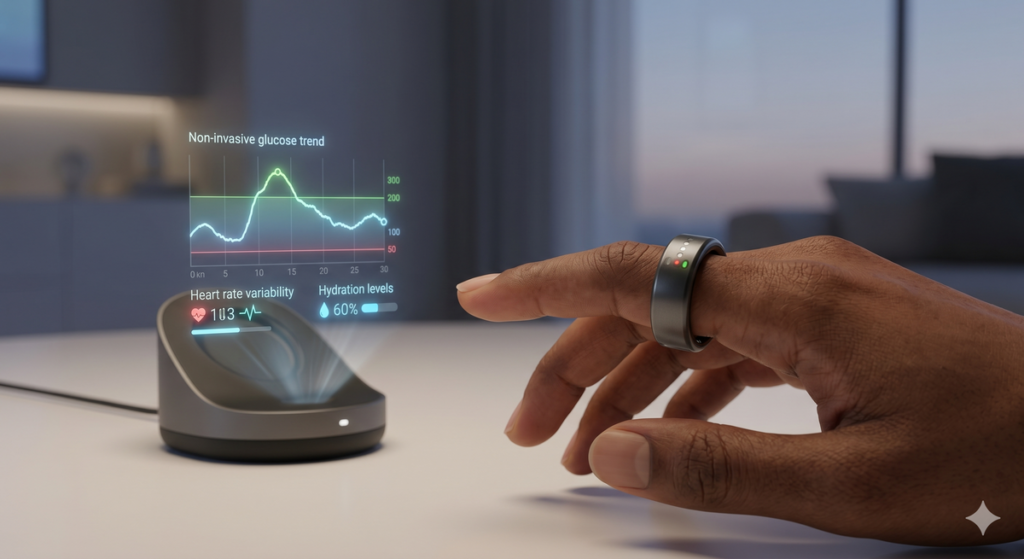
- Digital Twins: What is a digital twin? Well, it’s a virtual replica of anything experts use to simulate tests, conditions, and more. Doctors are starting to use digital twins, which are virtual versions of you, to test how your body might react to a new medication or surgery before you ever try it.
- Personalized Diagnostics: AI can now combine your wearable data, genetic info, and medical history to spot health risks, such as kidney disease or heart failure, years before you’d notice any symptoms.
- Ambient Scribes: During appointments, AI scribes now handle note-taking and summaries in real time, so doctors can actually pay attention to you instead of their screens. There’s an iteration of that during the 2nd season of the popular medical drama, The Pitt. They were using AI to handle note-taking. While it’s not perfect yet, we’re getting there.
3. The Smart Home as a Clinic
Your home is now playing a hands-on role in keeping you healthy.
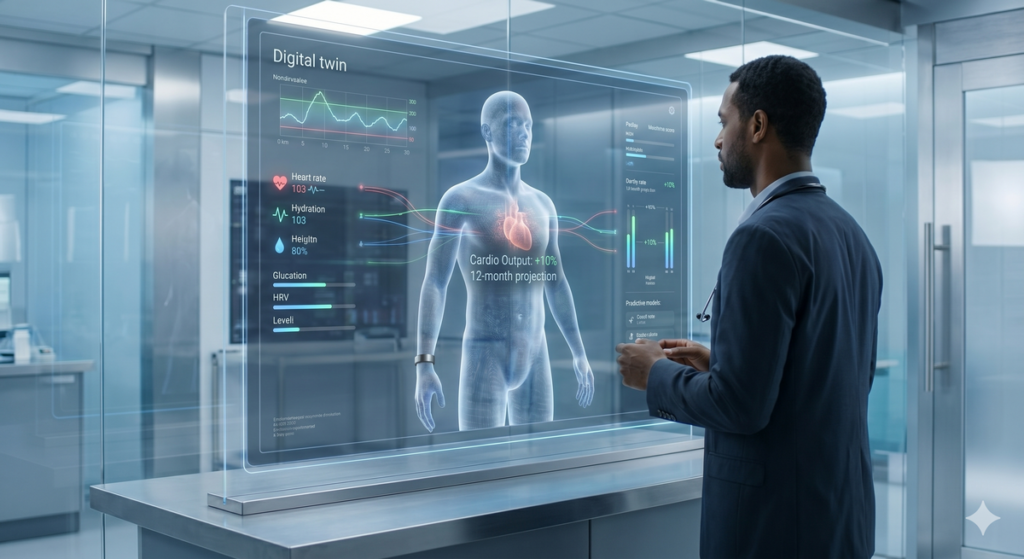
- Ambient Monitoring: Beyond wearables, “smart home” health tech now includes floor sensors for fall detection and mirrors that analyze skin health or posture. Yes, they can do that now.
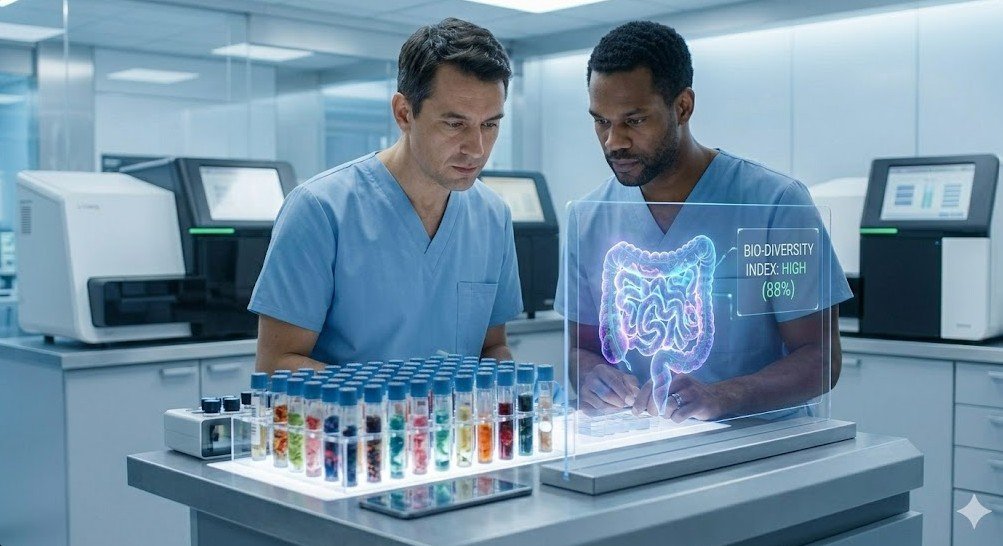
- Microbiome & Advanced Bloodwork: Home test kits have come a long way. These tests go beyond basic diagnostics to identify issues in your body. Now you can check for inflammation, hormone levels, and gut health to fine-tune your diet and supplements.
- Hybrid Care Models: These days, care often means a mix of virtual visits and real-time data from your home devices sent straight to your doctor. Interestingly, the COVID pandemic had a huge impact in the development of these models.
4. Longevity and “Healthspan” Focus
People are now focused not just on living longer, but on actually staying healthy as they age.
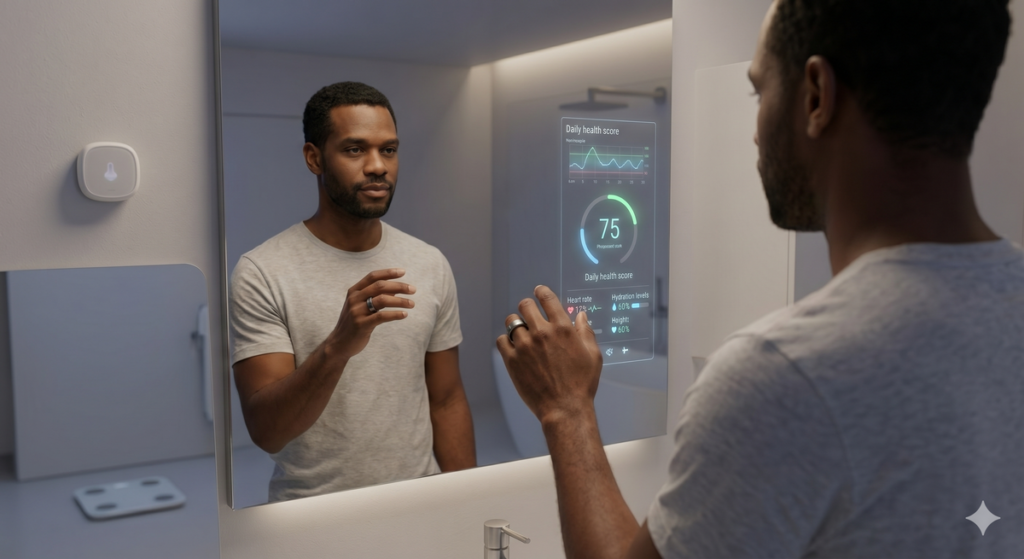
- Muscle as Medicine: Muscle mass is now seen as a key sign of metabolic health, so there’s a boom in tech that tracks your body composition and visceral fat. So that means the more muscle that you have, the healthier you are.
- Peptides & Bio-Optimization: Peptides for things like metabolism and immune support are now part of everyday wellness talk, along with tests that measure your biological age.
For more health news and updates, stay tuned TGXP³.