

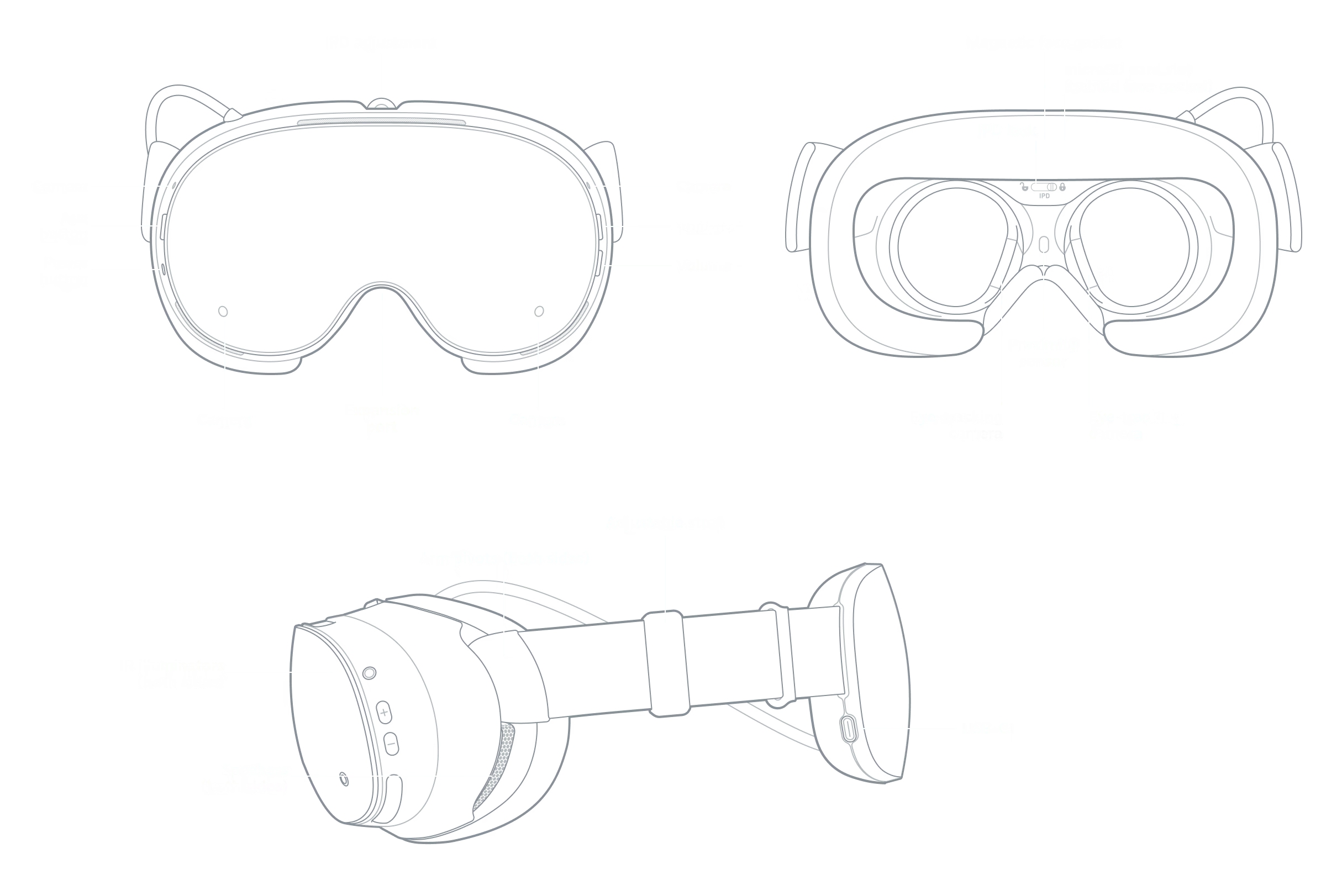
It’s been almost a year since Valve first teased the Steam Frame back in late 2025, and the hype hasn’t died down. Valve is calling it a “Steam Deck for your face,” and that’s exactly what it looks like. It’s a standalone VR headset that lets you dive into your Steam library without any wires. Sure, global hardware and memory shortages have made things tricky, but the Steam Frame is finally launching. The big question: can it really take down other more prominent VR sets?
Featherweight VR Headset
Comfort is a big deal for any VR headset, and Valve seems to know it. Early hands-on reports say the Steam Frame will weigh just 440 grams, which is a lot lighter than the Quest 3. Valve put the 21.6Wh battery on the back of the head strap, so the weight is balanced and you can wear it longer without neck pain. If these comfort claims are real, the Steam Frame might just raise the bar for VR ergonomics.

Inside, you’re getting a Snapdragon 8 Gen 3 chip and 16GB of RAM. It’s not using Qualcomm’s XR chip, but it’ll run SteamOS, so you can play indie games runs older f, lettingles on a giant virtual screen. The visuals should be sharp, with dual pancake LCD lenses giving you 2160×2160 resolution per eye and a wide 110-degree field of view.
The Wireless PC VR Dream
What really has people talking is the PC VR streaming. Valve is including a wireless dongle in the box, promising low-latency foveated rendering and smooth streaming. If it works as advertised, the Steam Frame could be the best wireless PC VR headset we’ve seen yet.
If you’ve got a beefy gaming PC, the Frame should connect without any hassle. Valve’s inside-out tracking means no more base stations or messy cables, so setup is simple. You’ll be able to pick your games right from the SteamOS interface, making the whole VR experience a lot smoother.
The Elephant in the Room: Price and Battery
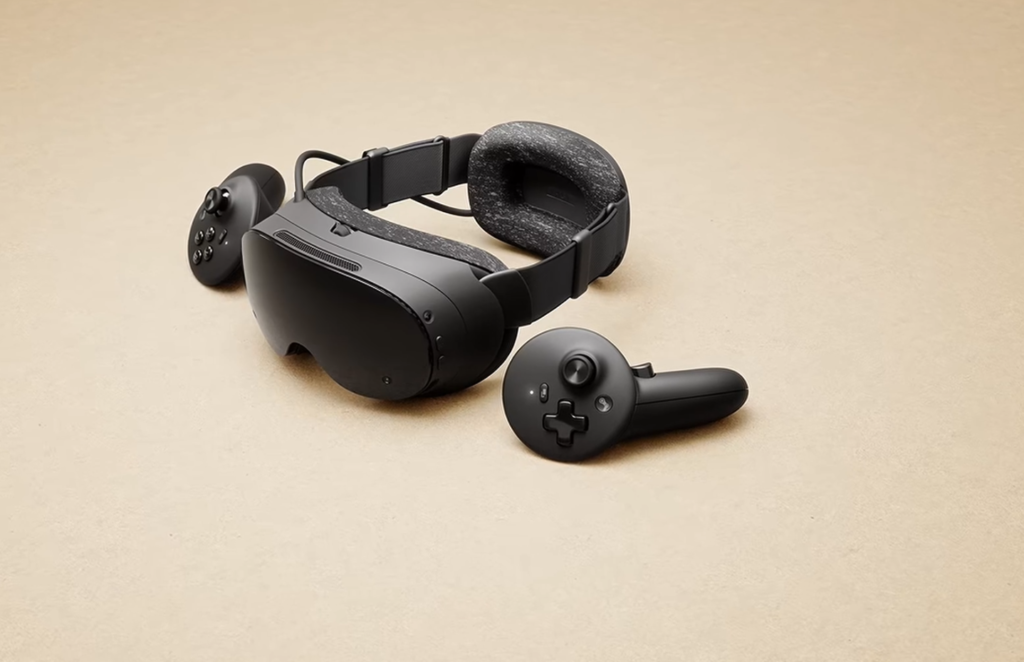
Here’s the catch: the Steam Frame won’t be cheap. Expect to pay around $1,059 for the base 256GB version. At least you get a microSD slot for extra storage, just like the Steam Deck. Still, that’s nearly twice the price of the Meta Quest 3, so this is definitely a headset for serious VR fans.
Battery life could be a problem. Early leaks say it drains fast, and there’s no fast-charging, so you might be waiting around between sessions. Plus, the passthrough camera is only monochrome, which feels a bit old-school compared to what other 2026 headsets are offering.
The Steam Frame looks like it’s built for hardcore VR fans and anyone who wants to avoid the Meta ecosystem. If Valve delivers on comfort, convenience, and wireless performance, this could be the headset everyone wants. I’ll be watching the launch closely to see if it lives up to the hype and if it’s actually worth the money.
To learn more or order one, go to the Steam store.
For more tech news and updates, stick with TGXP³.