
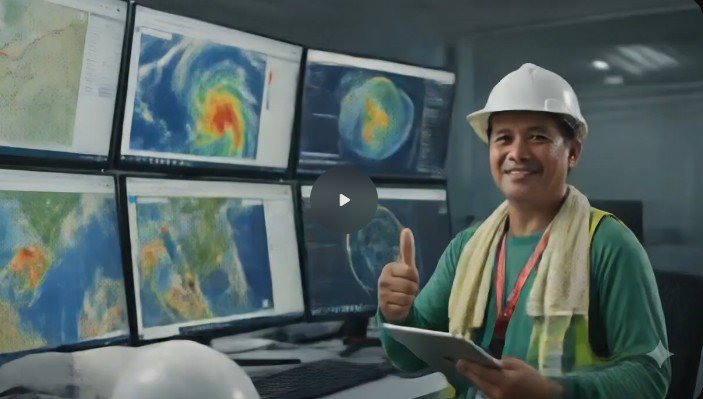
Summer may be officially over, but the heat still lingers as the monsoon rains start to roll in. Meteorological agencies, including PAGASA and the UN’s World Meteorological Organization, are warning that we could face one of the most severe El Niño events on record. This weather pattern can disrupt global systems, bringing drought and more intense super typhoons. With PAGASA sounding the alarm and predicting dry spells ahead, the National Irrigation Administration is now turning to data-driven technology to help protect our farms and mitigate agricultural losses.
El Niño is a natural climate pattern that occurs when sea surface temperatures in the central and eastern Pacific Ocean become much warmer than usual, exceeding 2°C above average. PAGASA and the UN say there’s an 80% to 92% chance we’ll see a “Super El Niño” by mid-2026, possibly lasting into early 2027. Ocean temperatures could climb as high as 3°C above normal by the end of the year.
This year could be different. If the southwest monsoon, or Habagat, collapses, we could see severe drought and a higher risk of powerful super typhoons.
What could be the possible impacts by region:
Northern & Central Luzon: Drought may cut rice yields by up to 25%, with Pantabangan and Magat reservoirs facing massive inflow deficits.
Southern Luzon & Bicol: Erratic rainfall, alternating drought and severe flooding.
Visayas: Significant declines in sugarcane and fisheries output.
Mindanao: Drought threatens major export crops—corn, pineapple, banana, cacao.
Metro Manila: Critical Angat Dam levels force tough choices between city water supply and irrigation, often causing rationing and blackouts.
The effects won’t be the same everywhere. Some regions will be hit much harder than others.
To get ahead of the problem, the National Irrigation Administration (NIA) is moving beyond manual reporting. In a recent ABS-CBN report, the NIA is using artificial intelligence and modern monitoring tools to track weather patterns, soil moisture on farmlands, and water levels in key reservoirs, such as Magat Dam.
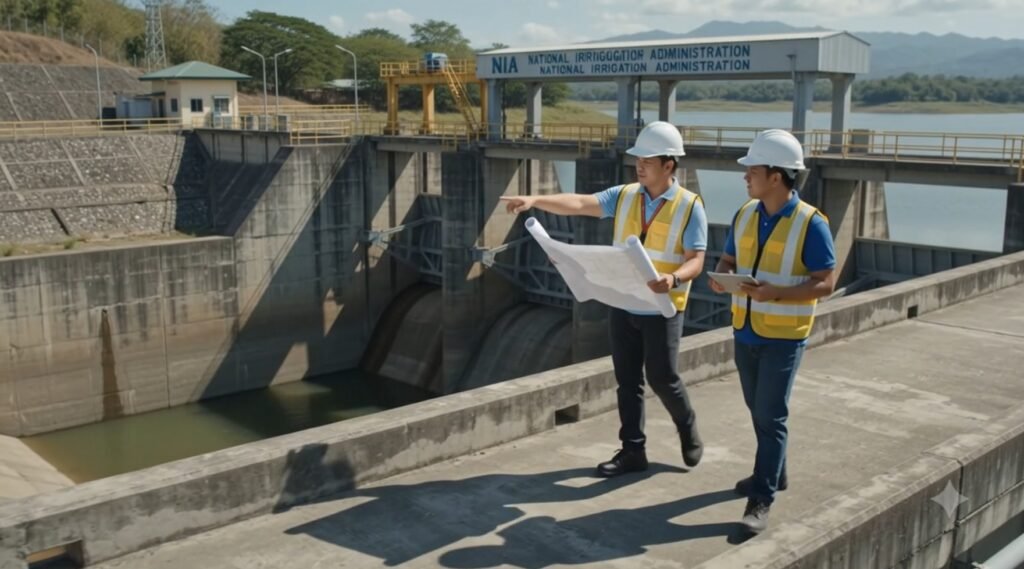
So why is AI a game-changer? In past El Niño events, decisions about water use for power, cities, and farms were mostly made after problems appeared. With AI, the NIA can now predict rainfall and compare it with current dam levels, helping them plan water releases in advance. This should help make the most of our water supply and keep irrigation systems running during the dry spell.
We’ll have more updates about this. But brace yourselves for the Super El Niño. Save water and electricity, and hopefully the effects will not be as devastating as the current models predict.