

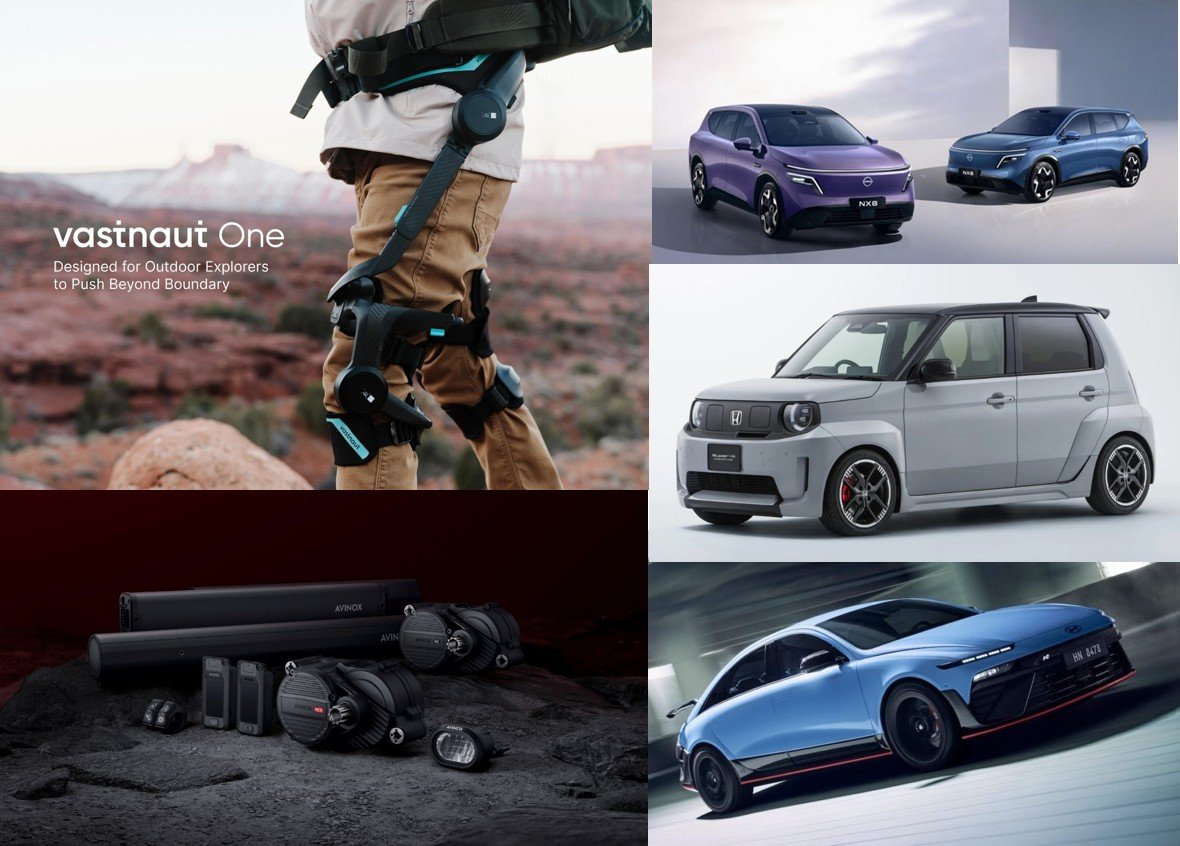
Gas prices are still up as the Middle East conflict continues. We need more alternatives to motor vehicles, so we checked out personal mobility devices and EVs that launched this month.
Avinox, the company behind the award-winning M1 e-bike drive system, has unveiled its next-generation M2S and M2 drive systems, with more than 60 brands, including Canyon, Pivot, and Mondraker, already on board.
Both units retain the M1’s compact, lightweight build at just over 2.6 kg. The flagship M2S delivers up to 1,500W of peak power and 150Nm of torque, boasting 45% more power density than its predecessor, while the M2 offers a capable 1,100W and 125Nm. Despite the added muscle, both run at or below 45 dBA, with the M2S using a dual-gear setup and the M2 relying on helical gears for a smooth, quiet ride. The M2S also adds a temperature sensor and cooling fins to sustain performance on longer outings.
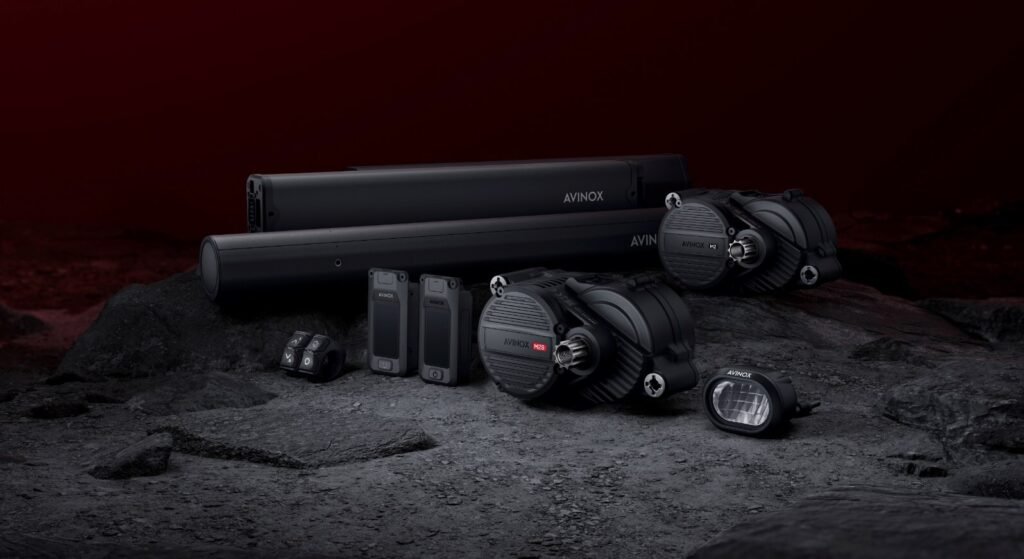
On the battery front, Avinox’s new FP700 packs 700Wh into a 3.18 kg unit and charges to 80% in just over an hour. For riders who want flexibility, the new removable RS800 (800Wh) and RS600 batteries can be detached and charged without bringing the whole bike to an outlet. The RS600 can even be mounted externally as a range extender.
Rounding out the ecosystem, two new 2-inch OLED displays offer turn-by-turn navigation, heart rate-based assist adjustments, and Apple Find My integration. The updated Avinox Ride App adds customizable riding parameters, a Health Management System for diagnosing faults, and Bluetooth-based bike protection alerts.
For more information, please visit www.avinox-ebike.com
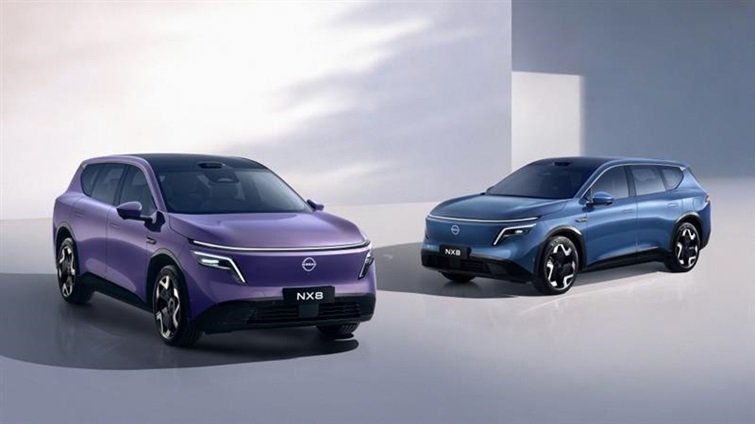
While Avinox is pushing the boundaries of electric cycling, the broader EV world is equally active. April 2026 has brought a wave of new electric vehicle debuts across multiple segments. Dongfeng Nissan officially launched the NX8 in China, built on an 800V architecture with 5C ultra-fast charging that recovers 300 km of range in just six minutes. It also features AI Zero Gravity seats with 25 massage airbags and a 63-inch augmented-reality head-up display, firmly placing it in the “living room on wheels” trend.
For more details, click here.
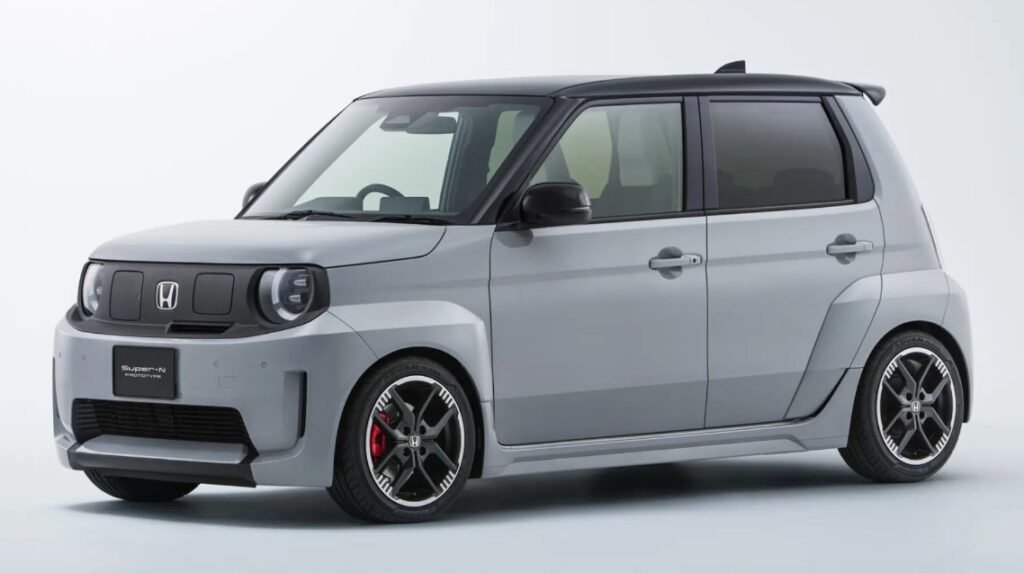
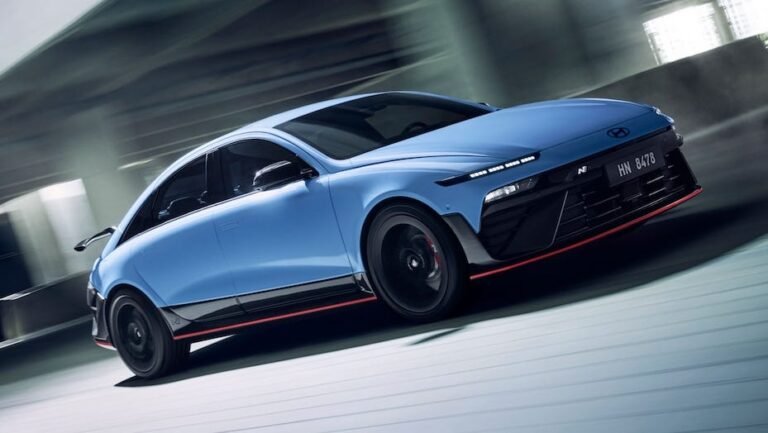
In Europe, Honda is targeting affordability with the Super-N, a retro-styled compact EV inspired by the 1980s City Turbo, priced under £20,000 and capable of nearly 200 miles of city range. For buyers at the opposite end of the spectrum, the Hyundai IONIQ 6 N has hit showrooms with 641 hp and a 0–100 km/h time of 3.2 seconds.
The innovation isn’t limited to wheels. Vastnaut has introduced the Vastnaut One, the world’s first AI-powered exoskeleton with four joints and four motors, designed for outdoor explorers, photographers, and anyone hauling heavy gear across rugged terrain.
Using a 4×4 motor setup that coordinates power between the hips and knees, the Vastnaut One reduces uphill effort by up to 30%, lowers overall exertion by 32%, cuts knee impact on descents by 35%, and provides an effective load reduction of up to 18 kg. Despite its capabilities, it weighs just 2.7 kg thanks to its carbon fiber frame and is rated IP54 for dust and water resistance.
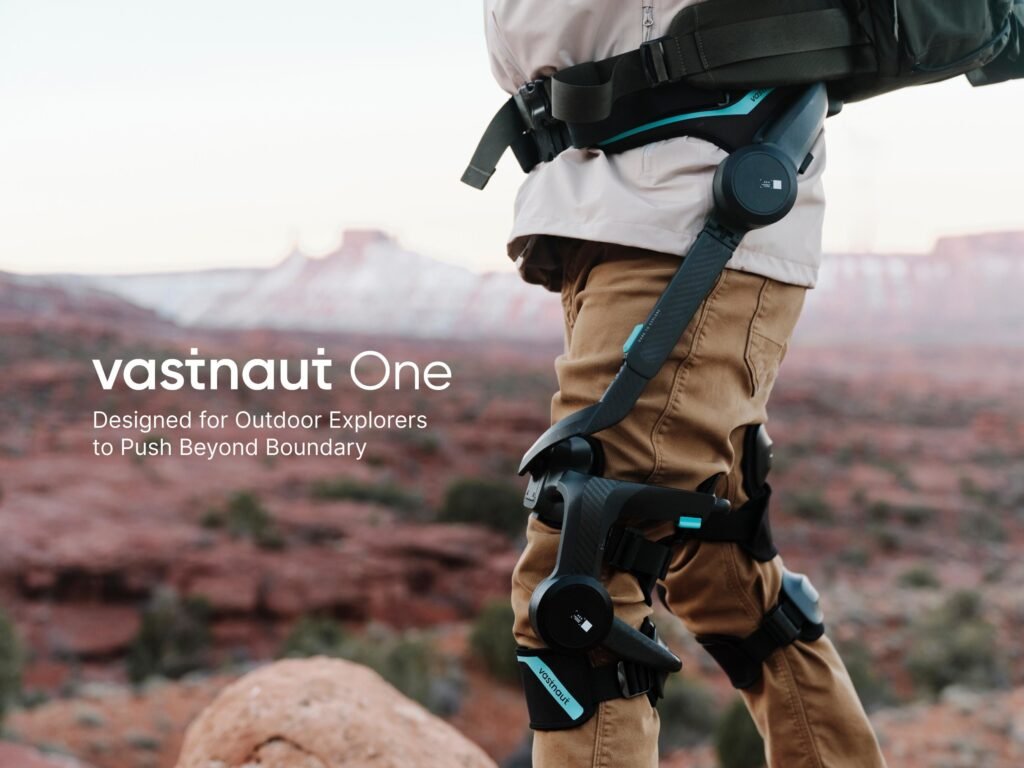
Real-world testing backs up the specs. Brisbane-based outdoor photographer Harrison Candlin completed a two-day expedition with over 15 kg of camera gear, reporting a drop of roughly 30 beats per minute in heart rate on demanding sections.
Vastnaut is now accepting early access reservations ahead of a Kickstarter launch in late April, with a $10 refundable deposit securing the best backer pricing.