

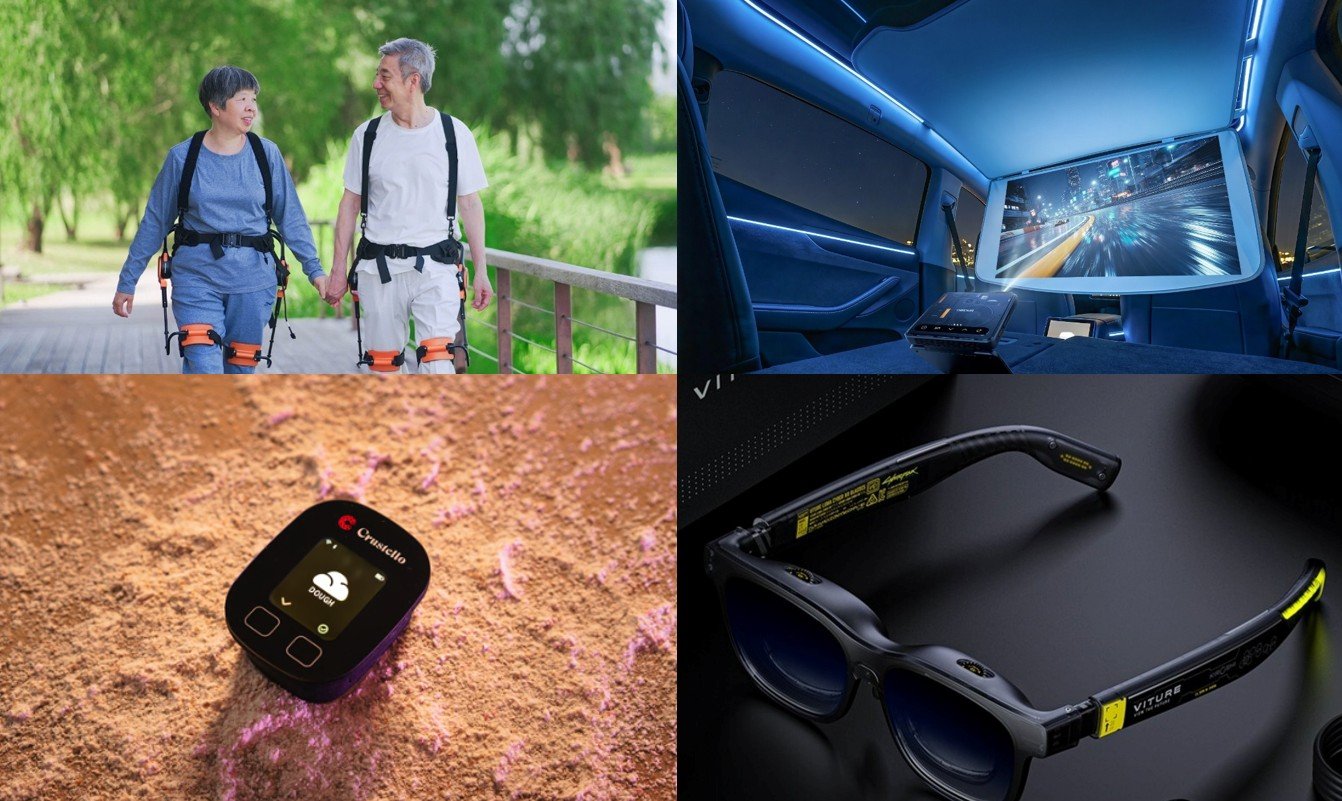
The Consumer Electronics Show 2026 (CES 2026) is not yet done but we’re already seeing a turning point for digital intelligence, moving beyond software chatbots and generic AI. This year, the focus shifted to “Physical AI”, or technology that acts as an intuitive partner in our daily lives. From the Las Vegas Convention Center to Lenovo’s keynote at the Sphere, the message was clear: technology is now part of our physical environment, not just a tool we use.
And while we’ve covered a few of the launches such as the RobotCT’s GoGo ExoSkeleton and Asus’ AI PC line up, it’s clear that physical AI, robotics, and assistive technologies are getting better and better.
The Rise of Physical AI and Robotics
Robotics took center stage at CES 2026, moving from novelty to real-world utility. Google DeepMind and Boston Dynamics introduced a new Atlas humanoid powered by Gemini AI. This version demonstrated adaptive behavior in both industrial and home settings, highlighting how robotics is becoming practical for everyday tasks.
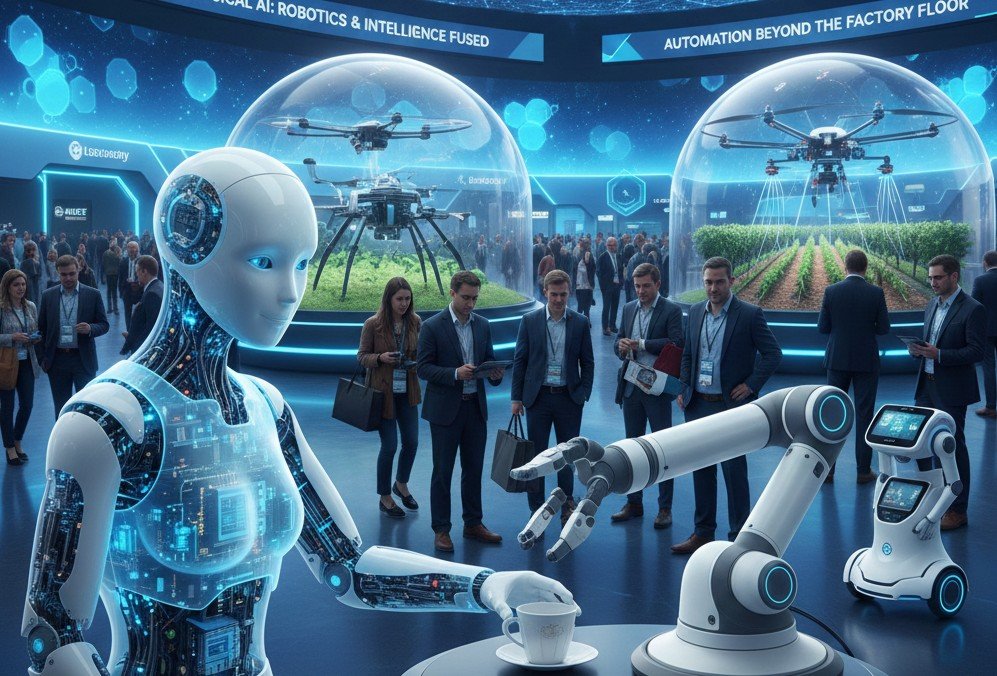
For consumers, this means the “zero-labor home” is closer to reality. LG’s CLOiD home robot stood out, handling tasks like folding laundry and emptying dishwashers. With on-device AI, these robots can navigate complex environments and respond to real needs, reducing the need for manual control.
Immersive Displays and the End of the “Slab”
Entertainment hardware is evolving. Samsung introduced a 130-inch Micro RGB TV that serves as both a display and an architectural element. LG showcased wallpaper-thin screens that blend into the wall. The trend is clear: devices are designed to disappear into home décor when not in use.
We also saw the beginning of the end for traditional “slab-style” mobile phones. Foldable and tri-folding devices, such as the Motorola Razr Fold and Samsung’s latest concepts, dominated the mobile segment. These devices promise consumers the utility of a tablet with the pocketability of a phone, suggesting that the “foldable” is finally moving from a luxury niche into the mainstream.
Health and Mobility: Seamless Intelligence
Digital health devices are now modular and proactive. Wearables from Withings and Samsung go beyond step tracking, offering continuous monitoring and early disease detection. Using on-device AI, these products analyze biometric data in real time and provide health advice before problems arise.
In mobility, the Sony Honda Mobility Afeela 1 pre-production EV demonstrated how cars are becoming “moving living rooms .” Powered by Nvidia’s Thor chips, the car uses AI for autonomous driving and in-car features. The focus is now on smart features that make commutes more relaxing and productive.

What This Means for Consumers
CES 2026 points to a future of “Invisible Tech.” The best innovations are seamless: smart locks that use palm vein recognition, fridges that suggest recipes based on your mood, and Wi-Fi 8 routers like the Asus ROG NeoCore that remove lag for all your devices. In 2026, the value of technology will be measured by how well it helps us get more done and makes our lives easier.
Also check out Nvidia CEO Jensen Huang’s CES 2026 Keynote. This video features the full keynote address from Nvidia’s CEO, highlighting the advanced AI chips and autonomous technologies that were central themes at CES 2026.
CES 2026 is showing us that the future of technology isn’t about more screens or louder features, but rather about intelligence that fades into the background. From robots that handle household chores to displays that disappear into walls, the innovations on display share a common thread: they work for us, not the other way around. As Physical AI, seamless health monitoring, and adaptive mobility take hold, we’re entering an era where technology anticipates our needs and integrates so naturally into our lives that we barely notice it’s there. The question is no longer what technology can do, but how invisibly it can do it.
There’s one more day of CES 2026 so stay tuned for more updates.