

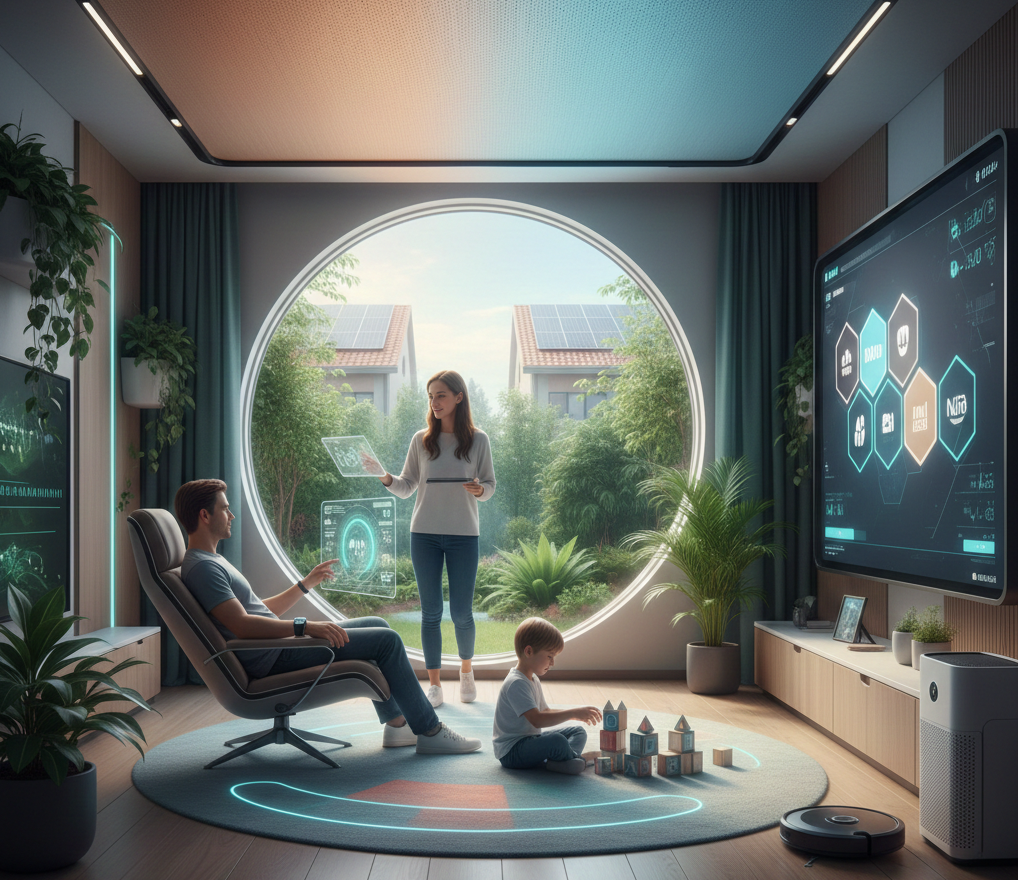
The smart home market is evolving quickly. In 2026, we’ll see a shift from simple voice commands to proactive, integrated systems that act autonomously. Here are five trends that will define the smart home next year.
1. Hyper-Personalization Through AI and Predictive Analytics
Smart homes in 2026 will predict what you want, rather than waiting for commands. AI will learn your routines and automatically adjust lighting, temperature, music, and even scent. Your home might wake you with the right lights and fresh coffee, or set a quiet mood based on your calendar and habits.

This kind of personalization is powered by advanced algorithms that analyze data from all your devices. We saw products and systems that can do these things at CES 2026, and some of the products from Google Nest and Amazon Alexa. Next year, expect a big jump in the accuracy and breadth of these predictive features.
2. Seamless Interoperability and Matter Protocol Dominance
The “walled garden” approach to smart home ecosystems will largely become a thing of the past. The Matter protocol, backed by industry giants such as Apple, Google, Amazon, and Samsung, will be the prevailing standard for device interoperability. This means that a device from one manufacturer will seamlessly communicate and work with devices from another, eliminating compatibility headaches and creating a truly unified smart home experience.
This change gives consumers more choice and flexibility. Manufacturers can focus on features and design rather than on closed systems. Expect a surge in Matter-certified devices, making it easier to build a smart home with products from different brands.
3. Enhanced Health and Wellness Integration
Smart homes will play a bigger role in health and wellness. Integration with wearables, sleep trackers, and sensors in furniture or flooring will go beyond basic air-quality monitoring. These systems will track vital signs, detect falls, analyze sleep, and offer personalized health tips.

Smart beds will adjust their firmness to improve sleep. Mirrors will check skin health, and bathrooms will monitor hydration. This is especially useful for elder care, enabling remote monitoring and early intervention. Oura Ring and Withings are leading this trend, and their products will connect more closely with smart home systems.
4. Advanced Security and Privacy Features
Security and privacy will become even more important as homes get smarter. In 2026, biometric authentication, such as facial and voice recognition, will be common for home access. End-to-end encryption and clear privacy controls will give users full control over their data.
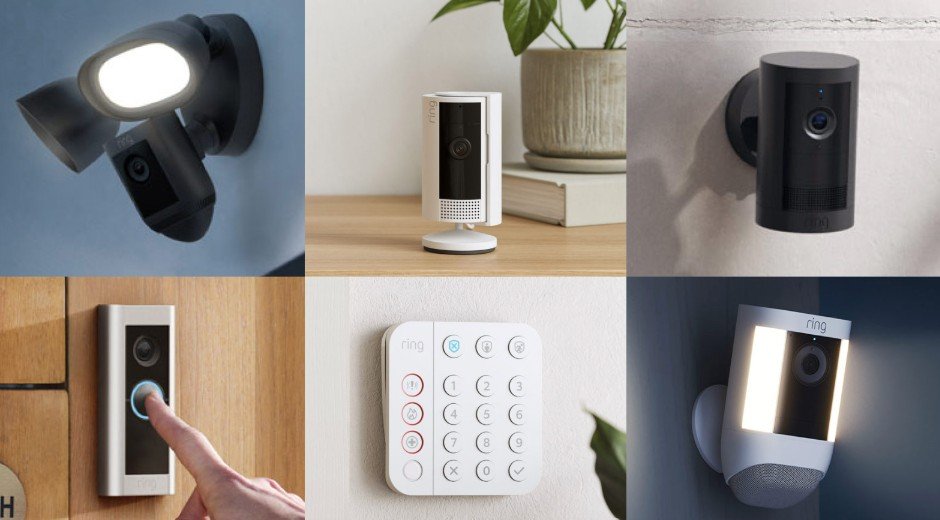
AI will boost security by telling family members apart from intruders, spotting unusual activity, and flagging threats early. The goal is proactive security that adapts to your home and data. SimpliSafe and Ring are updating their products with a focus on trust and data protection.
5. Sustainable and Energy-Efficient Smart Homes
Sustainability and energy efficiency will be top priorities for smart homes in 2026. Energy management systems will optimize heating and cooling, connect with solar panels and smart grids, and shift usage to off-peak times. Homes will track appliance use and suggest ways to cut your carbon footprint.
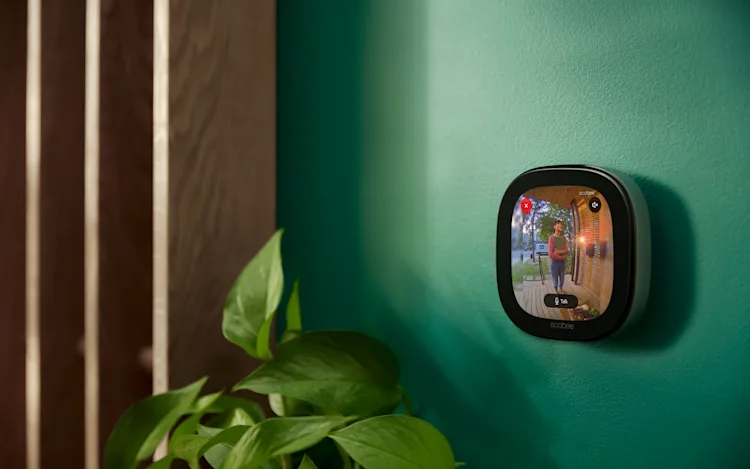
Device makers will use more recyclable materials and focus on sustainable manufacturing. Smart thermostats from ecobee and Nest will become even better at saving energy and connect with more home systems for greater efficiency.
The smart home is moving toward seamless integration, smarter systems, and a more personal experience. 2026 will be a key year in this evolution.